


NEWS
ESS Manufacturer | Battery Technology | Global Energy Partner
What Will Change in Energy Storage in 2026? Key Market Shifts Explained
A Turning Point for Energy Storage
Over the past six months, the global energy storage sector has moved from incremental progress to structural change.
A combination of material cost pressure, rapid renewable deployment, and the surge in AI-driven electricity demand is forcing a rethink of how energy storage systems are designed and deployed.
More importantly, the industry is moving beyond a single-technology paradigm. Lithium-ion batteries, long considered the default solution, are now being challenged—not by one alternative, but by an emerging multi-technology ecosystem.
Recent developments in sodium-ion battery commercialization and solid-state battery innovation indicate that 2026 may mark the beginning of a new phase for energy storage.
Lithium-ion Remains Dominant—but No Longer Sufficient
Lithium-ion technology continues to anchor the market, particularly in applications requiring high energy density such as electric vehicles and compact storage systems.
However, its limitations are becoming increasingly difficult to ignore:
- Persistent reliance on lithium, cobalt, and nickel
- Growing exposure to price volatility and geopolitical supply risks
- Heightened scrutiny around thermal safety in large-scale deployments
For grid operators and commercial users, the key question is no longer performance alone—but total system cost, long-term reliability, and scalability.
Sodium-Ion Batteries Move from Concept to Deployment
Sodium-Ion Battery Systems in Energy Storage
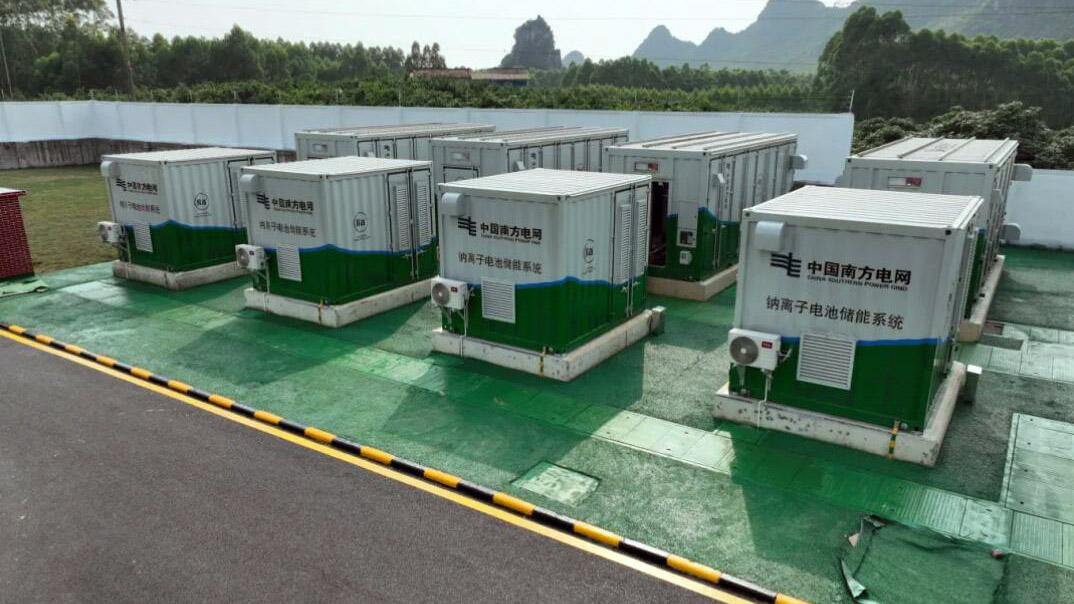
In this context, sodium-ion batteries are no longer viewed as a future alternative—they are entering early-stage commercial deployment.
Unlike lithium-based systems, sodium-ion batteries rely on widely available raw materials, significantly reducing supply chain constraints and long-term cost uncertainty.
Recent industry projects—including grid-scale pilots in the United States and accelerated deployment in China—confirm a clear shift:
sodium-ion is becoming a viable solution for stationary energy storage.
From a technical perspective, sodium-ion systems offer:
- Competitive lifecycle cost advantages
- Improved thermal stability and safety profile
- Reliable low-temperature performance
While energy density remains lower than lithium-ion, this trade-off is increasingly acceptable in applications where space is less critical than cost and safety.
Solid-State Batteries: Breakthrough Signals with Strategic Implications
Next-Generation Solid-State Battery Concepts
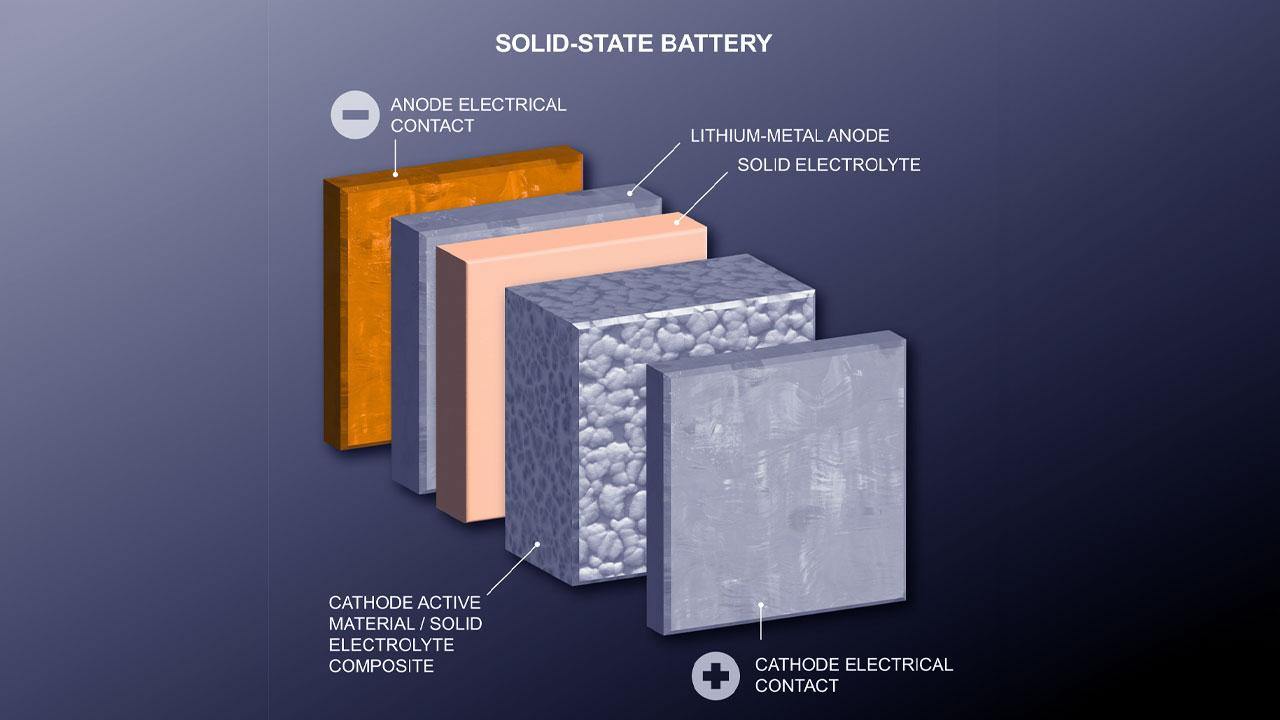
At the same time, solid-state battery technology is attracting renewed attention following recent high-profile breakthroughs.
A report highlighted a prototype capable of:
- ~400 Wh/kg energy density, significantly exceeding conventional lithium iron phosphate systems
- Ultra-fast charging, potentially reducing charge times to minutes
- Exceptional cycle life, with claims reaching tens of thousands of cycles
These developments, while still at a pre-commercial stage, point to a longer-term shift in how high-performance batteries may be designed.
The strategic implication is clear:
solid-state batteries are unlikely to disrupt the market immediately—but they are redefining the ceiling of battery performance.
From “Battery Choice” to “System Design”
One of the most important shifts in 2026 is conceptual rather than technological.
Energy storage is no longer about choosing a single battery type. It is about designing systems that combine multiple technologies.
A typical future architecture may include:
- Lithium-ion for high-efficiency, short-duration response
- Sodium-ion for cost-effective bulk storage
- Emerging long-duration technologies for multi-hour or multi-day backup
This hybrid approach allows developers to optimize not just performance, but economics and risk exposure.
Why Demand Is Accelerating Faster Than Expected
Another defining trend is the unexpected speed of demand growth.
Beyond renewable energy, a new driver has emerged:
AI infrastructure and data centers.
These facilities require:
- Continuous, high-density power supply
- Backup systems capable of handling extended outages
- Grid support to manage fluctuating demand
As a result, energy storage is increasingly treated as critical infrastructure, rather than an auxiliary system.
This shift is driving the rapid emergence of GWh-scale projects and accelerating the need for diversified battery solutions.
Industry Outlook: Diversification Is No Longer Optional
Taken together, recent developments suggest a clear industry direction:
- Lithium-ion will remain dominant—but will no longer be sufficient on its own
- Sodium-ion will scale rapidly in cost-sensitive, large-scale applications
- Solid-state batteries will shape the next generation of high-performance systems
For energy developers, utilities, and commercial users, the implication is straightforward:
The future of energy storage will be defined not by a single technology, but by the ability to integrate multiple chemistries into optimized systems.
Conclusion: 2026 as the Start of a New Energy Storage Cycle
The energy storage industry is entering a new cycle—one defined by diversification, scale, and system-level thinking.
Technologies that were once considered alternatives are now becoming essential components of the broader ecosystem.
For companies operating in this space, the competitive advantage will increasingly lie in:
- Technology integration capability
- System-level optimization
- The ability to adapt to rapidly evolving market demands
In this environment, flexibility—not standardization—will define long-term success.
About PCENERSYS
PCENERSYS develops advanced energy storage solutions for commercial, industrial, and utility-scale applications. The company focuses on integrating next-generation battery technologies, including sodium-ion systems, to deliver reliable, scalable, and cost-effective energy infrastructure.
Google Invests in Long Duration Energy Storage to Address Surging AI Data Center Power Demand
Battery Industry Shift: Energy Storage Surges as EV Growth Slows | PCENERSYS
Related Article

contact us
For more questions please


Office Address: 701, Building A, Yonghuayuan Business Building, Baotian 2nd Road, Chentian Community, Xixiang Street, Bao'an District, Shenzhen, Guangdong Province, China
Factory Address 1: Room 701, Building 2, Kegu Industrial Park, Zone B, Jian'an Road, No. 790, Chang'an Town, Dongguan City, Guangdong Province, China
Factory Address 2: Building 7, Phase II Standardized Factory, Innovation Industrial Park, Duji Economic Development Zone, Huaibei City, Anhui Province, China