


NEWS
ESS Manufacturer | Battery Technology | Global Energy Partner
A New Growth Surge After Reaching 22.8 GW: Are the UK’s 800W Plug-in Solar Systems a Windfall or a Trap?
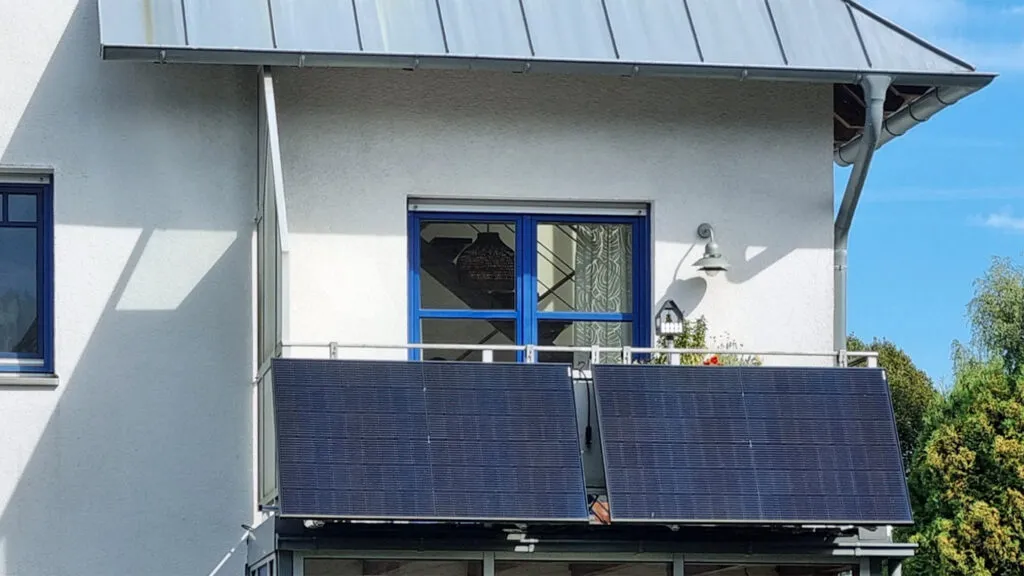 Market Peak and Strategic Inflection Point
According to the latest official deployment statistics released by the UK’s Department for Energy Security and Net Zero (DESNZ), the UK’s cumulative installed solar capacity officially surpassed 22.8 GW by the end of June 2026, with a total of 2,076,000 systems installed nationwide. Over the past 12 months, the UK market added 2.2 GW of capacity, achieving robust year-on-year growth of 10.9%. This demonstrates that, driven by the macro-level energy transition and carbon neutrality goals, the fundamentals of the UK solar market remain exceptionally solid.
However, beneath this continued market expansion, the UK’s distributed solar market is approaching a structural strategic inflection point. While traditional residential rooftop PV continues to grow steadily, new regulations regarding "plug-in solar" systems—set to take effect on August 27, 2026—are acting as a key catalyst for disrupting the existing market landscape.
This policy shift marks a profound transformation in the nature of distributed solar in the UK: the market is rapidly evolving from the traditional professional installation model (EPC/Installer model)—characterized by the need for specialized skills and high execution costs—toward a consumer-grade DIY model featuring extremely low barriers to entry and lightweight, accessible products. This inflection point not only broadens the reach of clean energy to a wider audience but also presents new opportunities for business model restructuring among PV hardware manufacturers, distributors, and installers.
In-Depth Policy Analysis: How Do the New 800W Plug-in Solar Regulations Lower Market Barriers?
The updated Plug-in Solar Regulations, set to take effect on August 27, 2026, represent a groundbreaking milestone in the history of UK distributed photovoltaic (PV) regulation. By streamlining and standardizing regulatory requirements, the policy effectively dismantles the institutional barriers that previously hindered the widespread adoption of small-scale residential solar systems.
1. Core Technical Parameters and Policy Dividends
Power Limits & Grid Connection: The new regulations explicitly permit households to connect plug-in microinverter systems with a rated output of up to 800W directly to standard household wall sockets. To ensure household grid safety and prevent overloading, the regulations impose strict circuit limitations—restricting installation to one system per final circuit.
Drastic Reduction of Entry Barriers: Traditional residential solar installations have historically relied on complex grid connection approval processes (such as G98 approvals) and mandatory on-site installation by certified electricians, resulting in persistently high "soft costs" for small-scale systems. Once the new regulations take effect, users can purchase plug-and-play kits and perform DIY installations, bypassing complex approval procedures and professional on-site construction. This shift will unlock latent demand among renters, apartment dwellers (including those with balconies), and low-budget households, tapping into a massive incremental market previously marginalized by traditional rooftop solar solutions.
2. Regulatory Compliance and Entry Thresholds
While the new regulations relax administrative restrictions on installation, they establish rigorous entry thresholds for hardware manufacturing and electrical safety standards. These measures are designed to prevent low-quality or substandard products from causing electrical fires or grid interference. Strict Technical Regulations & Safety Certification: The new regulations mandate that products must comply with the latest UK and European standards regarding anti-islanding protection, electromagnetic compatibility (EMC), and residual current device (RCD) integration. Not all generic microinverter kits on the market possess the necessary qualifications for legal and compliant sales.
Tier-1 Manufacturing Standards & Channel Gatekeeping: In response to the implementation of these new regulations, leading UK photovoltaic wholesalers and distributors have clearly signaled their determination to prevent substandard products from driving out high-quality ones. As emphasized by David Hope, Managing Director of Segen—a dominant wholesaler in the UK and Ireland—equipment suppliers entering this market must meet rigorous Tier-1 manufacturing standards. This indicates that distribution channels will strictly vet products based on reliability, warranty fulfillment capabilities, and brand reputation to ensure compliance and safety across the entire supply chain.
Reshaping the Market Landscape: Cannibalization or Incremental Growth?
As the implementation date for new regulations regarding 800W plug-in solar systems approaches, widespread commercial anxiety has emerged within the UK's traditional photovoltaic (PV) supply chain. Industry attention is focused on whether these lightweight, low-cost, and easily accessible products will trigger a price war that cannibalizes the existing residential rooftop solar market, thereby undermining the core profit margins of installers and EPC contractors.
1. Short-term Industry Anxiety and Market Cannibalization Concerns
Some industry professionals worry that simplified "plug-and-play" kits might cause potential customers to forgo comprehensive rooftop PV and battery storage systems—which often cost thousands of pounds—in favor of micro-DIY systems costing only a few hundred pounds. This fear of "bad money driving out good" initially led traditional installation channels to adopt a "wait-and-see" or even resistant attitude toward plug-in solar products.
2. Industry Leadership Insights: A Complementary Product, Not a Threat
Addressing this debate, David Hope—Managing Director of Segen, one of the largest PV distributors in the UK and Ireland—offered a clear and rational business assessment: plug-in solar is by no means a threat to traditional rooftop PV, but rather a highly valuable incremental product category. "We don't view it as a threat to traditional rooftop solar; rather, we see it as an excellent complementary product line. While there are inherent limitations—and we consistently emphasize the need for installation by certified electricians and manufacturing by Tier-1 companies—setting those aside, this represents a fantastic opportunity to further expand the overall solar market base."
— David Hope, Managing Director, Segen UK & Ireland
3. Building a Customer Nurturing Ecosystem and Lead Pipeline
From the perspective of long-term business strategy and Customer Lifetime Value (CLV), plug-in PV systems serve as one of the industry's most powerful, low-cost customer acquisition tools:
Unlocking New Market Segments: Plug-in products precisely reach an "incremental audience"—consumers previously unable to install traditional PV due to property ownership issues (e.g., renters), structural constraints (e.g., roofs unable to bear the weight), or budget limitations—thereby significantly expanding the solar industry's Total Addressable Market (TAM).
Fostering Energy Independence Awareness: As a cost-effective "entry-level solar product," plug-in systems allow average consumers to experience the tangible benefits of energy self-sufficiency and reduced electricity bills with a very low barrier to entry.
Nurturing Leads for High-Value Systems: This "try-before-you-buy" experience lowers the psychological barrier regarding trust in solar technology. As these consumers eventually purchase homes, move, or see their energy needs evolve, they are highly likely to convert into qualified leads for premium products—such as traditional rooftop PV systems, home battery energy storage systems (BESS), and EV chargers—creating a virtuous, synergistic ecosystem loop.
 Utility-Scale Projects and Policy Tenders: Another Key Pillar of the Market
While distributed PV is driving a consumer-facing transformation spurred by the new 800W standard, the UK solar market’s macro fundamentals also rely heavily on the strong momentum of utility-scale ground-mounted solar farms. The close alignment between large-scale ground-mounted plants and policy mechanisms forms another core pillar supporting the UK’s achievement of 22.8 GW in cumulative installed capacity and its drive toward national Net Zero targets.
1. Landmark Projects and the Viability of Mega-Scale Assets
Utility-scale projects played a decisive role in the 2.2 GW of new solar capacity added in the UK over the past 12 months. A standout milestone was the successful commissioning of the Cleve Hill Solar Park:
Scale Benchmark: With an installed capacity of 373 MW, this project is the largest single solar farm connected to the grid in the UK to date.
Execution and Grid Integration Viability: The successful grid connection of Cleve Hill not only shifted the UK’s ground-mounted solar landscape—previously dominated by small-to-medium or moderately large projects—but also established a replicable commercial and engineering model for future mega-projects. This model addresses complexities regarding grid connection, the planning approval process for Nationally Significant Infrastructure Projects (NSIP), and compliance with large-scale ecological protection requirements.
2. Contracts for Difference (CfD) Auction Outlook and Long-Term Project Pipeline
The UK government’s Contracts for Difference (CfD) mechanism continues to provide utility-scale solar investors with long-term price certainty (revenue certainty), serving as a primary driver for securing market growth in the coming years. CfD AR7 Secures Medium-to-Long-Term Growth Pipeline: In the seventh allocation round (AR7) auction, solar PV projects secured record-breaking policy support, locking in a cumulative capacity of 4.9 GW. Regarding the commissioning timeline:
- 1.87 GW of capacity is projected to come online in 2028;
- 3 GW of capacity is projected to be connected to the grid on a large scale in 2029.
This establishes a solid foundation for solar PV supply chain demand in the UK over the medium to long term.
Imminent Deadline for CfD AR8: As a critical milestone determining the scale of the UK’s utility-scale solar pipeline for the next 3–5 years, the application window for the eighth allocation round (AR8) will officially close on August 7, 2026. This deadline necessitates that project developers, EPC contractors, and institutional investors align closely with the policy window to finalize bid submissions and asset allocations.
Industry Implementation Guide
With the UK solar market surpassing 22.8 GW and two critical deadlines approaching—the August 27th implementation of new plug-in solar regulations and the August 7th bid deadline for the CfD AR8 auction—stakeholders across the solar supply chain must rapidly adjust their strategies. They need to translate policy incentives and market trends into concrete commercial actions.
1. Solar Hardware Manufacturers & Vendors
Compliance Certification Strategy: During the window before the new regulations take effect on August 27, 2026, accelerate certification processes for local UK grid and safety standards. Prioritize ensuring that microinverters comply with UK anti-islanding protection and EMC (Electromagnetic Compatibility) requirements.
Channel Go-To-Market Execution: Closely engage with mainstream UK retailers and Tier-1 wholesalers to launch standardized, plug-and-play solar kits that fully comply with UK standard socket specifications. Complement these products with intuitive, consumer-facing installation guides and robust after-sales warranty commitments.
2. Wholesalers & Distributors
Dual-Track Product Portfolio Strategy: Move past any resistance to plug-in solar technology. Actively build a dual-track product portfolio—combining entry-level plug-in kits with high-value traditional rooftop solar and BESS (Battery Energy Storage System) solutions—to address the full spectrum of consumer needs.
Supplier Gatekeeping & Risk Mitigation: Establish rigorous supplier vetting mechanisms, ensuring partnerships are limited to brands that meet Tier-1 manufacturing standards. Strictly prevent micro-inverter kits that lack compliance certification or are of inferior quality from entering the supply chain; mitigate risks—such as product recalls, electrical safety incidents, and severe after-sales warranty liabilities—at the source.
3. Installers & EPC Contractors
Low-Cost Customer Acquisition Strategy: Capitalize on the trend of distributed PV becoming a consumer product by positioning 800W plug-and-play solar systems as low-cost "front-end lead magnets," using these low-priced products to rapidly build trust with potential homeowners.
Value-Added Services & Cross-Selling: Launch value-added service packages—combining "lightweight plug-and-play kits" with "rapid on-site safety inspections and light installation support"—targeted at customers who lack DIY skills or place a high premium on electrical safety. Use this as an entry point to precisely cross-sell residential energy storage systems (BESS), EV chargers, or future rooftop system upgrades.
4. Developers & Institutional Investors
Policy Mechanism Exploitation Strategy: Align closely with UK government policy support windows by focusing development efforts on projects eligible for the Contracts for Difference (CfD) mechanism—which offers high revenue certainty—thereby locking in long-term, fixed electricity price revenues.
Bidding Submission & Portfolio Execution: Finalize and submit bid documentation before the August 7, 2026 deadline for the CfD Allocation Round 8 (AR8). Simultaneously, conduct upfront assessments of grid capacity allocation and distribution network connection timelines, accurately calculate CAPEX, and lock in Internal Rate of Return (IRR) expectations for projects slated for the peak commissioning period of 2028–2029.
Europe’s solar power share consistently exceeds 20%, with Latvia reaching 49%—where are the opportunities for energy storage exports?
AI Power Demand Is Reshaping America’s Grid: Why Utility Investment and Grid Resilience Matter
Related Article


contact us
For more questions please


Office Address: 701, Building A, Yonghuayuan Business Building, Baotian 2nd Road, Chentian Community, Xixiang Street, Bao'an District, Shenzhen, Guangdong Province, China
Factory Address 1: Room 701, Building 2, Kegu Industrial Park, Zone B, Jian'an Road, No. 790, Chang'an Town, Dongguan City, Guangdong Province, China
Factory Address 2: Building 7, Phase II Standardized Factory, Innovation Industrial Park, Duji Economic Development Zone, Huaibei City, Anhui Province, China