


NEWS
ESS Manufacturer | Battery Technology | Global Energy Partner
8,000 Sold a Week! Australia 500k Battery Boom: ROI Guide
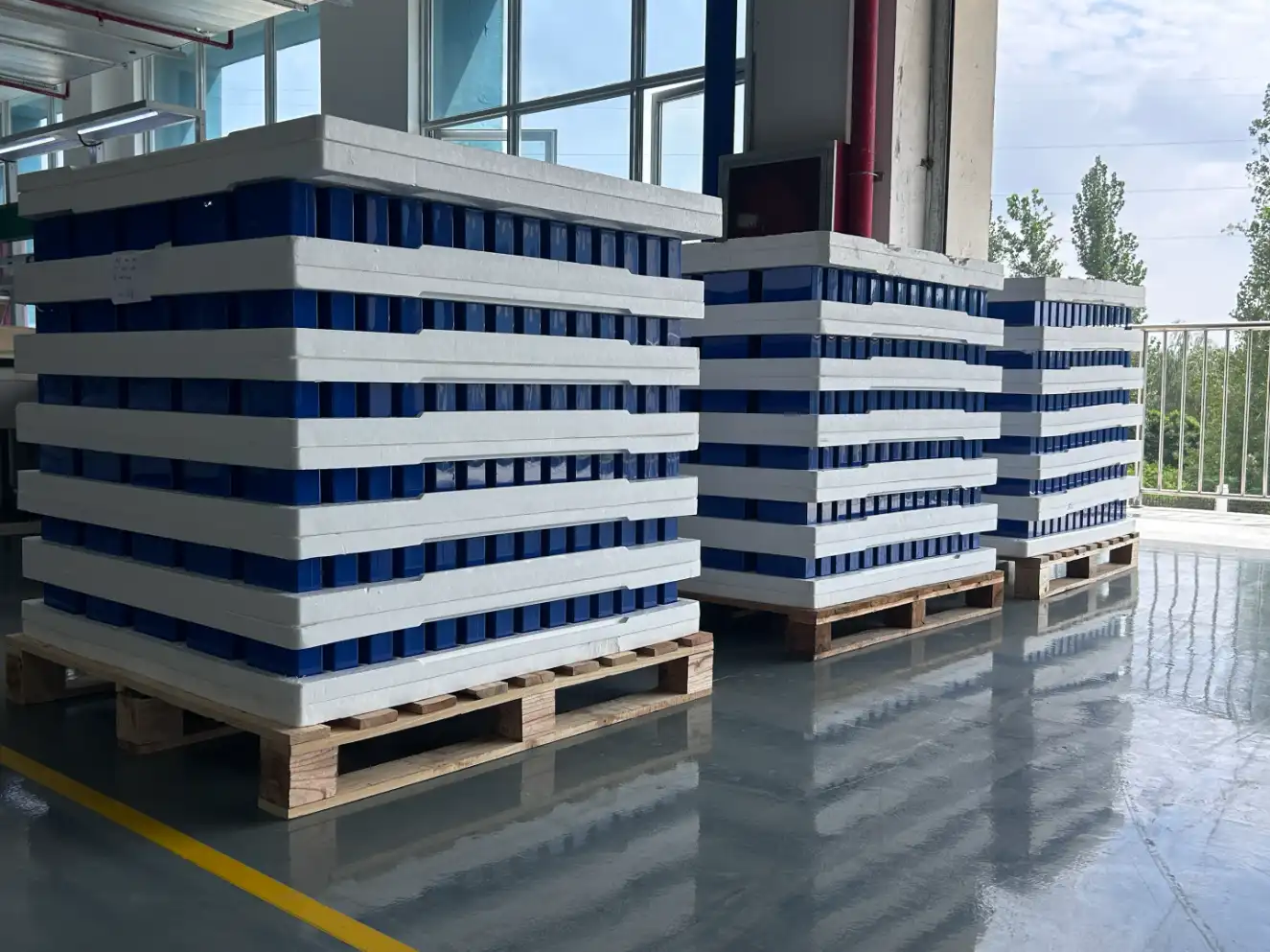 500,000 Units and 14 GWh: Australia’s "Stunning Answer" to Distributed Energy Storage
According to the latest official data released by Australian Prime Minister Anthony Albanese and Energy Minister Chris Bowen, the government’s "Cheaper Home Batteries Program" has reached a historic milestone: the cumulative number of residential battery energy storage systems (BESS) installed nationwide has surpassed 507,000 units.
As one of the most powerful policy levers driving the global energy transition, the program has achieved remarkable deployment speeds under the management of the Clean Energy Regulator (CER) and the support of the Small-scale Technology Certificate (STC) mechanism. Based on an estimated average capacity of approximately 28 kWh per unit—derived from early project tracking—Australia has established a distributed energy storage network with a cumulative capacity exceeding 14 GWh.
In just over a year since its launch, Australia has traversed a deployment trajectory that takes many other nations several years to complete. This explosive growth has not only propelled the country—already a photovoltaic powerhouse reliant on rooftop solar—into a phase of deep integration between solar and storage, but has also demonstrated to the global new energy industry that microgrid systems reshaped by high-density distributed storage are becoming a definitive bellwether for global energy decentralization.
Policy and Market Analysis: How a $7.2 Billion AUD Subsidy Ignited the "Home Battery Boom"
According to the latest policy framework released by Australia’s Department of Climate Change, Energy, the Environment and Water (DCCEEW), the "Cheaper Home Batteries Program" achieved explosive, better-than-expected growth in a short period primarily due to its design: substantial direct financial incentives combined with a highly effective mechanism for driving market uptake.
Budget Tripled: Driven by an overwhelming market response, the federal government has significantly increased the program's four-year budget from an initial estimate of AU$2.3 billion to AU$7.2 billion (approximately US$4.68 billion). This move not only demonstrates the Australian government's commitment to decarbonization and alleviating cost-of-living pressures but also provides long-term policy certainty for the industry supply chain.
Accessible 30% Upfront Discount: Administered by the Clean Energy Regulator (CER), the program integrates battery systems into the Small-scale Renewable Energy Scheme (SRES). By creating and trading Small-scale Technology Certificates (STCs), the program offers consumers an upfront purchase discount of approximately 30% at the point of installation, with eligibility extending to residential households, micro-businesses, and community organizations without restrictive barriers.
Regional Penetration Profile: Breakthroughs in Outer Suburbs: Energy Minister Chris Bowen noted that the highest battery adoption rates are not found in major metropolitan centers but are concentrated in outer suburbs and rural electorates (such as Hume, Macquarie, Greenway, and Mitchell in New South Wales; Wright in Queensland; and Mayo in South Australia). In some "hotspot" electorates, over 10% of detached homes have already installed battery systems.
Solar-Storage Synergy: High Rates of Simultaneous PV and Battery Deployment: Statistics indicate that approximately half of the installations under the program involve the simultaneous pairing of solar PV and battery systems (Solar PV + BESS Pairing)—either as new installations or system upgrades. These figures suggest that the traditional "rooftop solar-only" model is rapidly being phased out, with "integrated solar-plus-storage" becoming the standard configuration for both new installations and system upgrades.
Data Insights and Technological Evolution: From 25kWh to 28kWh—The Logic Behind System Selection Amidst the Trend Toward Higher Capacities
As market deployment scales up, data on system capacity reveals a profound shift in the energy storage choices made by Australian households. Providing scientifically sound selection advice to commercial (B-side) clients or residential (C-side) owners requires a precise analysis based on both data trends and the marginal returns (ROI) associated with policy incentives.
Capacity Evolution: The Surge in Demand for Higher Capacities
Statistical data shows a stepwise increase in the average installed system capacity: rising rapidly from 25.2kWh (at the 250,000-unit milestone) to 28.1kWh (at 380,000 units), before stabilizing at 28.0kWh (at 400,000 units). This evolution reflects a shift in end-user mindset—moving away from the conservative early-stage approach of merely covering "nighttime lighting or basic emergency needs" toward a demand for high-capacity, long-duration storage capable of supporting heat pumps, electric vehicles (EVs), and whole-home electrification.
Analysis of Tiered Incentive Policies: The Mechanism of Diminishing Marginal Subsidies
While the government permits systems with a nominal capacity of up to 100kWh to apply for incentives, it has established a clear tiered subsidy coefficient (STC Factor Tapering) based on "Usable Capacity":
0–14kWh: Eligible for a 100% subsidy coefficient (full STC allocation; currently equivalent to approximately AUD $252 per kWh).
14–28kWh: Subsidy coefficient drops to 60% (applied to the capacity exceeding the initial tier).
28–50kWh: Subsidy coefficient drops to 15%; capacity exceeding 50kWh receives no additional subsidy.
Professional Selection Advice: Finding the Optimal Balance for ROI
Blindly increasing capacity does not necessarily maximize the return on investment (ROI). From an expert perspective, modular, stackable battery energy storage systems (BESS) in the 10 kWh–14 kWh range represent the "sweet spot" for cost-effectiveness for the vast majority of residential users:
- Maximizing initial policy incentives: Capacities of up to 14 kWh allow users to fully capture the highest per-kWh subsidy rates, thereby minimizing the system's payback period.
- Controlling CapEx through scalable capacity: Thanks to the modular architecture, homeowners can initially install a base capacity of 10–14 kWh. As household electricity loads or EV ownership grow, they can flexibly expand capacity—leveraging subsequent subsidy tiers—while avoiding excessive upfront capital expenditure (CapEx).
Industry Impact Analysis (Insights): How 14 GWh of Distributed Assets Are Reshaping the NEM
Viewed through the lens of macro-energy economics, the 14 GWh of storage capacity aggregated from 500,000 distributed battery units holds strategic significance far beyond the micro-level benefit of household electricity bill savings. These distributed energy resources (DERs), located at the grid edge, are fundamentally restructuring the supply-demand framework and commercial ecosystem of Australia’s National Electricity Market (NEM).
Peak Shaving and Wholesale Price Suppression
According to the latest market monitoring by the Australian Energy Market Operator (AEMO), distributed Battery Energy Storage Systems (BESS) across the grid are reshaping the "duck curve" profile—specifically the trough and the evening peak. During the 18:00–21:00 evening peak, these 500,000 units discharge in unison—driven by local coordination and centralized dispatch—effectively displacing gas-fired peaker plants that carry high marginal costs and carbon intensity. This energy-shifting mechanism not only bridges the gap in centralized generation but also exerts downward pressure on NEM wholesale electricity spot prices, preventing extreme price spikes from impacting the broader economy.
Real-World VPP Aggregation and Upgraded Market Access Standards
In the past, residential batteries primarily served as standalone "emergency backup" units. Today, however, the 14 GWh asset scale has transformed the Virtual Power Plant (VPP) from a theoretical concept into a massive "digital grid asset" capable of real-time dispatch by AEMO.
Access Requirements Driving Technical Upgrades: Features such as Smart BMS (Battery Management Systems), dynamic tariff response capabilities, and Open API interfaces supporting OpenADR or IEEE 2030.5 protocols have shifted from optional extras to mandatory prerequisites. These are now essential "passports" for BESS products to enter the Australian market and integrate with major local retailers (such as AGL, Origin, and Amber).
Disruption of the Channel Ecosystem: Traditional Installers Evolving into Integrated Energy Service Providers (EESPs)
Shifts in policy and market demands are rapidly transmitting to the supply side:
Obsolescence of the "Hardware-Only" Model: Market share for traditional business models—such as simply selling PV modules or performing standalone off-grid installations—is shrinking drastically.
The Rise of EESPs: Service providers offering integrated hardware-software solutions—featuring capabilities in combined solar-plus-storage design, CEC (Clean Energy Council) compliance, VPP protocol integration, and system-level ROI analysis—are comprehensively reshaping the delivery networks and competitive landscape for distributed energy resources in Australia.
Market Trends and Future Outlook: Three Key Growth Drivers for 2026 and Beyond
Standing at a new milestone of over 500,000 units and 14 GWh of capacity, the Australian distributed energy storage market is undergoing a second transformation—shifting from being purely subsidy-driven to relying on algorithmic, market-based profitability. For B2B investors, system integrators, and hardware manufacturers seeking partnerships, asset deployment, and market entry, the opportunities from 2026 onwards will center on three core growth drivers:
Dynamic Tariffs and AI Algorithms Reshaping Monetization Models
End-user priorities are shifting from static "self-consumption optimization" (aimed at risk mitigation and cost savings) to algorithmic monetization that leverages dynamic spot electricity prices to "buy low and sell high."
Driven by High-Frequency Arbitrage: Emerging retailers like Amber Electric connect customers directly to the NEM wholesale spot price, drastically widening the spread between midday negative prices and high prices during evening peaks.
Software-Defined Hardware: Smart Energy Management Systems (EMS) equipped with AI forecasting algorithms can automatically draw power from the grid during periods of low or even negative prices and sell stored energy back to the grid at high prices during evening peak hours, significantly shortening the equipment's payback period.
C&I (Commercial & Industrial) and Community Storage: Unlocking a Second Growth Curve
As residential BESS adoption enters a plateau phase in regions where penetration exceeds 10%, policy support and market capital are rapidly flowing into the commercial sector.
Policy Spillover Effects: Federal programs extending eligibility to small businesses and community organizations are accelerating growth in the mid-market segment.
"Blue Ocean" Opportunity in the 50kWh–200kWh Range: Micro-C&I solar-plus-storage systems (50kWh–200kWh) have emerged as a high-demand, undersupplied "blue ocean" market segment. These systems primarily address peak shaving and demand charge management needs for farms, small supermarkets, community centers, and small manufacturing plants.
Supply chain throughput capabilities and localized services (CEC & Local Supply Chain) create formidable barriers to entry.
An installation throughput of nearly 8,000 systems per week is rapidly raising the commercial barrier to entry in this market.
CEC Certification and Compliance/Risk Management: The Clean Energy Council (CEC) of Australia maintains extremely rigorous standards for its "Approved Battery List" and new safety regulations (such as AS/NZS 5139), resulting in extended timelines for technical assessments. Brands failing to secure CEC certification are immediately disqualified from the SRES subsidy program.
Localized Service Ecosystem: The model relying solely on shipments from overseas is obsolete. Only brands that possess local warehousing and spare parts inventory, maintain training programs for CEC-accredited installers, and offer rapid-response after-sales support and O&M capabilities can secure a dominant position during this market shakeout.
Summary and Call to Action
Australia has surpassed the milestone of 500,000 installations and a cumulative capacity of 14 GWh, signaling the arrival of an era dominated by distributed solar-plus-storage solutions for residential and small-to-medium commercial sectors. This "battery boom"—catalyzed by a $7.2 billion federal budget—has not only fundamentally altered household electricity costs at the micro level but has also reshaped the operational dynamics of the National Electricity Market (NEM) at the macro level. However, as policies enter a phased-down period and the industry's technological ecosystem rapidly evolves, stakeholders must precisely time their strategic moves to maintain profitability amidst this energy transition.
For Industry Players and B2B Partners (Engineers, Integrators & Distributors):
Capitalize on the $7.2 billion policy incentive window and accelerate compliance and ecosystem integration. With installation volumes reaching nearly 8,000 systems per week, supply chain companies must prioritize securing strict certification on the CEC Approved Battery List and ensuring adherence to SAA (Solar Accreditation Australia) installation standards. Simultaneously, hardware manufacturers and system integrators should actively open APIs to seamlessly integrate with the VPP (Virtual Power Plant) protocols and dynamic tariff algorithms of major local retailers, thereby building a competitive moat based on software services rather than mere hardware sales.
For End-Users and Property Owners (Homeowners & Small Businesses):
Break free from high electricity bills by securing the optimal "10–14 kWh" cost-effective solution. Given that current policies offer a 100% STC subsidy for systems with up to 14 kWh of usable capacity, blindly stacking excess capacity is not the best approach. Owners are advised to prioritize smart energy storage systems with modular, stackable capabilities; this allows them to benefit from significant upfront discounts now while retaining the flexibility to expand capacity later for electric vehicles (EVs) or commercial needs.
Want to assess how much government subsidy your residential or commercial project qualifies for?
Don't miss this policy window! Whether you are a B2B integrator seeking compliant product portfolios or a homeowner looking to minimize electricity costs, our dedicated new energy team offers the latest policy insights, CEC-certified product selection, and customized ROI analysis.
Australia BESS 2026: Battery Spread Collapses 85% — Why the Best Traders Still Made Millions
$21/kg Floor Set! U.S. Section 232 Ruling Hits: Global Polysilicon Price Outlook
Related Article

contact us
For more questions please


Office Address: 701, Building A, Yonghuayuan Business Building, Baotian 2nd Road, Chentian Community, Xixiang Street, Bao'an District, Shenzhen, Guangdong Province, China
Factory Address 1: Room 701, Building 2, Kegu Industrial Park, Zone B, Jian'an Road, No. 790, Chang'an Town, Dongguan City, Guangdong Province, China
Factory Address 2: Building 7, Phase II Standardized Factory, Innovation Industrial Park, Duji Economic Development Zone, Huaibei City, Anhui Province, China