


NEWS
ESS Manufacturer | Battery Technology | Global Energy Partner
Rising costs fail to halt surging demand; LFP solidifies its position as the mainstream technology for power batteries.
A Paradigm Shift: From "Overcapacity" to "Long-Term Supply Locking"
Following a prolonged period of deep industry adjustment, the global lithium-ion battery supply chain is undergoing a profound structural transformation in 2026. Unlike the wave of shutdowns and maintenance halts among small and medium-sized material manufacturers caused by oversupply and plummeting prices in previous years, the rising prices of core upstream raw materials—such as phosphorus and lithium—seen since the start of 2026 have not dampened downstream purchasing enthusiasm. On the contrary, driven by the stronger-than-expected expansion of the global energy storage market and the large-scale export of Chinese new energy vehicles, major downstream clients—including global energy storage companies and overseas automakers—are actively seeking long-term agreements to secure supplies, resulting in a tight market for high-end materials.
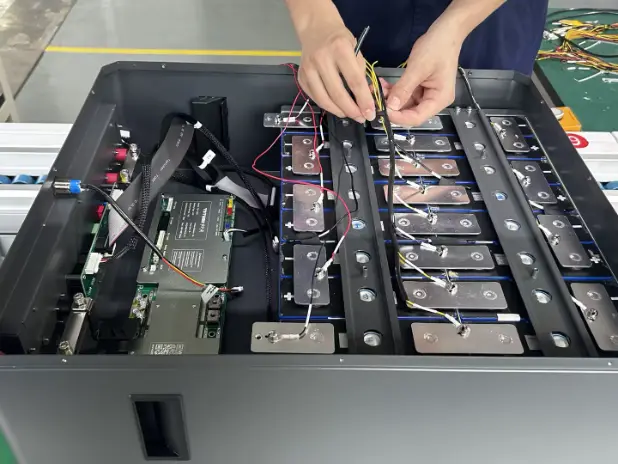
Key industry data reveals that rising raw material costs are merely a surface-level phenomenon. Driven by a restructuring of demand, evolving technical standards, and the advantages of lower total cost of ownership (TCO), the market share of lithium iron phosphate (LFP) in both the electric vehicle and energy storage sectors has steadily expanded rather than being squeezed by higher costs, thereby cementing its status as the industry's dominant mainstream technology.
Transmission of Cost Pressures: Synchronized Raw Material Price Hikes Trigger Deep Industry Shakeout
In the first half of 2026, prices for the two core raw materials of lithium iron phosphate (LFP)—lithium carbonate and iron phosphate—surged across the board, directly driving up production costs at the processing stage.
On the lithium resource side, the quoted price for battery-grade lithium carbonate rose from 117,000 yuan/tonne at the start of the year to a peak of 193,000 yuan/tonne by mid-year, an increase exceeding 72%. A complex mix of geopolitical and policy factors tightened supply: the ore grade of Australian lithium mines has been declining year by year, African lithium exports face new tariff barriers, and routine environmental rectification measures at domestic lepidolite mines have limited the growth of spot supply. Industry estimates indicate that for every 10,000 yuan increase in the price of lithium carbonate, the production cost of one tonne of LFP rises directly by 2,400 yuan; sustained high prices have created a severe profit squeeze for small and medium-sized enterprises that rely solely on contract processing.
Regarding the phosphorus source, the mainstream market transaction price for iron phosphate rose from 10,000 yuan/tonne at the beginning of the year to the current 15,000 yuan/tonne—an increase of over 50% in six months. Geopolitical conflicts disrupted shipping routes in the Middle East, causing global sulfur prices to skyrocket by nearly 600%, with the resulting cost pressure cascading down the supply chain to the finished LFP product. Additionally, domestic reserves of high-grade phosphate rock are dwindling, while mining and beneficiation costs continue to rise.
Simultaneous price increases for raw materials across the upstream and downstream sectors have led to a stratification of spot market prices. Currently, transaction prices for standard power-grade LFP range from 60,700 to 65,300 yuan/tonne, while quotes for dedicated energy storage materials range from 59,700 to 63,000 yuan/tonne. Meanwhile, high-end materials featuring high tap density and fast-charging capabilities—essential for energy storage projects—have seen quotes exceed 70,000 yuan/tonne due to capacity shortages. Despite the doubling of average prices, downstream procurement has not slowed; industry-wide product delivery cycles have shortened from the previous ten days to seven, and order books are generally fully booked through the end of the third quarter. Against this backdrop, low-end, inefficient capacity lacking upstream mineral integration is exiting the market at an accelerated pace, while the volume of spot market circulation is increasingly concentrating among leading manufacturers with integrated operations.
Explosive Expansion in Energy Storage: AI Computing Power and Overseas Demand Drive a "Second Growth Curve"
In the demand landscape projected for 2026, the energy storage sector has demonstrated high growth potential that surpasses that of power batteries, emerging as a key strategic driver for increased demand for lithium iron phosphate (LFP).
Industry data shows that in May 2026, domestic sales of energy storage batteries rose by 52.7% year-on-year—a growth rate 2.5 times that of the power battery sector—while total shipments surged by 139%. Authoritative institutions forecast that global energy storage battery shipments will exceed 874 GWh in 2026, a 46% year-on-year increase, with over 91% of utility-scale projects opting for LFP technology solutions.
This explosive growth is fueled by two core drivers:
Surge in AI Computing Centers and New Load Demands:
Driven by the aggressive expansion of large AI models and global data center infrastructure, the synergy between computing power and electricity supply has become a critical issue. Large-scale data centers face urgent needs for peak-shaving and valley-filling, grid stability, and continuous power supply. Balancing stringent thermal safety requirements with the Levelized Cost of Storage (LCOS), these new load centers almost exclusively utilize high-safety, long-cycle-life LFP energy storage systems. This has extended raw material stocking cycles for leading battery cell manufacturers and driven industry inventory levels down to a three-year low.
Unleashed Overseas Demand:
Aging power grids, weak infrastructure, and high electricity prices in Europe, the Americas, and emerging markets have transformed overseas energy storage from a mere investment calculation (ROI) into an essential requirement for ensuring normal production and operations. In Europe, the adoption rate of energy storage paired with solar PV systems has surpassed 35% in Germany and Italy, while integrated solar-plus-storage microgrid projects are being deployed at scale across the Middle East and Southeast Asia. In May 2026, monthly exports of energy storage batteries reached 9.2 GWh—up 66.2% year-on-year—driving a more than 40% increase in export-related material orders for domestic LFP companies.
Given the exceptionally stringent requirements for battery cycle life (typically exceeding 8,000 cycles) and long-term thermal stability in energy storage applications, ternary batteries—constrained by reliance on overseas nickel and cobalt resources and risks of thermal runaway—struggle to gain a significant foothold in this sector; consequently, the dominance of lithium iron phosphate (LFP) in the energy storage market is further intensifying.
Synergistic Benefits of Automotive Exports: Chinese EVs Establish Global Dominance for LFP Batteries
As the traditional stronghold for Lithium Iron Phosphate (LFP) technology, the power battery sector is seeing its most significant growth driver in the first half of 2026 stem from the massive export of Chinese new energy vehicles (NEVs).
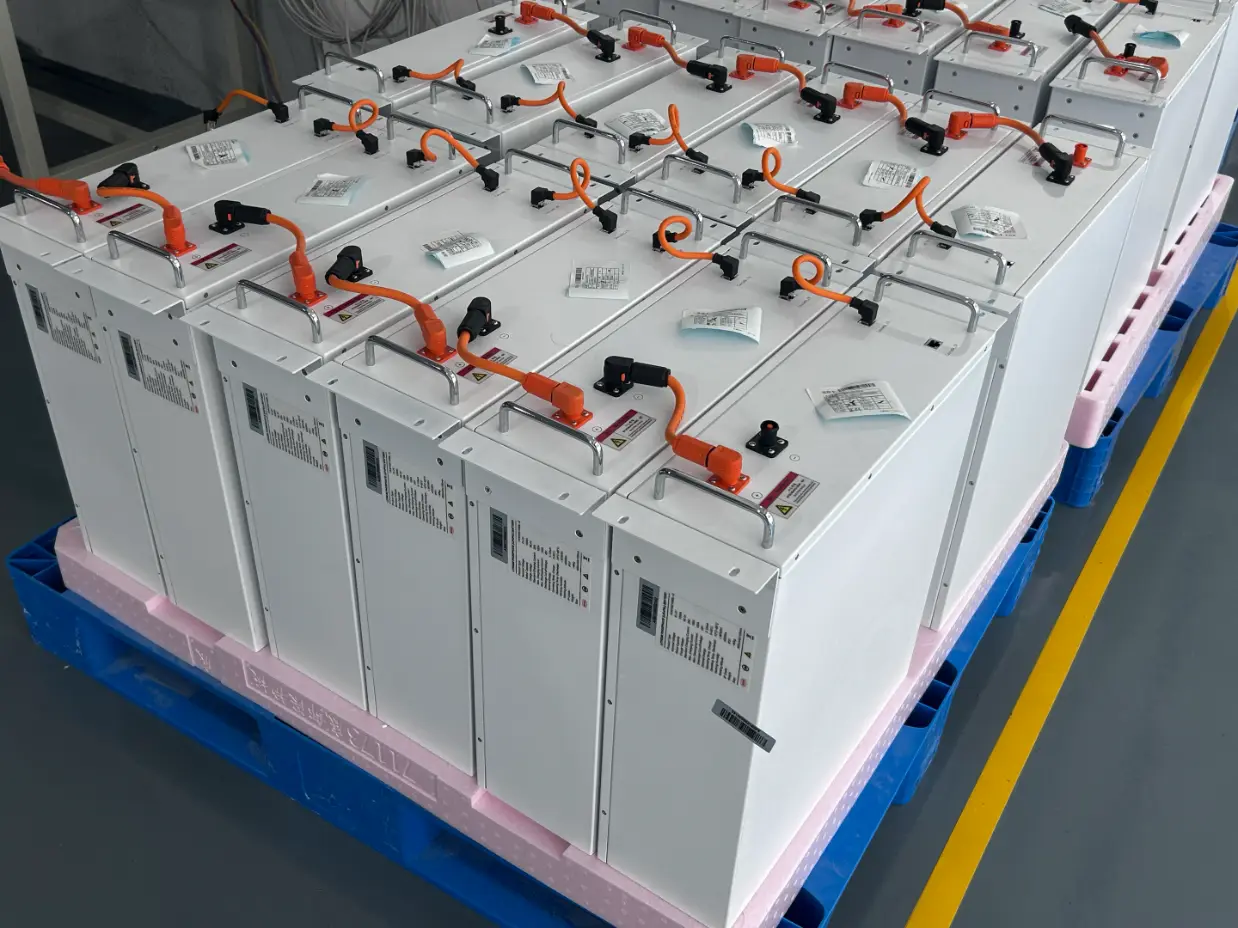
In the first quarter, cumulative NEV exports from China reached 904,000 units—a year-on-year surge of 126%—prompting multiple institutions to raise their full-year forecast for battery demand associated with exports to 250 GWh. In Europe, a key export market, the sales forecast for electric vehicles has been revised upward to 5.42 million units; there is particularly strong demand in the mass market for affordable commuter vehicles, where the lower procurement and operating costs of LFP batteries align perfectly with local purchasing power. Meanwhile, in emerging markets such as Southeast Asia, India, and Latin America, weak grid infrastructure and challenging geographical and climatic conditions further highlight the safety and suitability of LFP-equipped models.
Domestic installation data further confirms LFP's dominant position: in May, total power battery installations in China reached 71.8 GWh, with LFP batteries accounting for 58.4 GWh—pushing its market share to a high of 81.2%. Conversely, the share of ternary (NCM/NCA) batteries shrank to below 19%, creating a clear "80/20" market split. As LFP technology becomes the standard across A-class and A00-class commuter cars, ride-hailing vehicles, electric heavy-duty trucks, and urban logistics vans—combined with an increase in average battery capacity per vehicle from 50 kWh to 65 kWh—material consumption per vehicle is steadily rising.
Simultaneously, overseas mineral policies (such as Indonesia's nickel export restrictions) have kept costs high and geopolitical risks acute across the entire ternary battery supply chain. To mitigate costs and supply chain risks, European and American automakers are actively scaling back the launch of certain ternary models while increasing procurement of affordable, safe LFP models. As Chinese LFP materials expand globally alongside complete vehicles and battery cells, the industry effectively hedges against the systemic risks associated with fluctuations in any single market. On a global scale, LFP's share of power battery shipments has stabilized at around 62% in 2026, and the industry widely anticipates that it will continue to lead the market through 2030.
A Triple Moat of Technology and Resources: Dominant Mid-to-Long-Term Status Remains Unassailable
Despite facing significant short-term cost pressures, downstream markets remain heavily reliant on Lithium Iron Phosphate (LFP). This reliance stems from three fundamental, hard-to-replicate advantages: resource security, safety, and superior Total Cost of Ownership (TCO).
Fully Autonomous and Controllable Resources:
Unlike nickel- and cobalt-based chemistries—which rely heavily on minerals from countries like Indonesia and the Congo and are vulnerable to supply disruptions caused by overseas policies—the core raw materials for LFP are abundant within China. my country ranks first globally in phosphate rock production capacity and is fully self-sufficient in iron ore; this supply chain autonomy ensures greater long-term cost stability.
Exceptional Intrinsic Safety:
Ternary batteries pose significant safety risks—such as thermal runaway—when exposed to high temperatures or extreme conditions like penetration, raising major concerns for their use in large-scale centralized energy storage stations and consumer passenger vehicles. LFP’s outstanding thermal stability makes it the preferred solution for applications where safety is a critical "red line" requirement, such as backup power for data centers and energy storage for industrial parks.
Lower Total Cost of Ownership (TCO):
Even when material procurement costs rise due to fluctuations in lithium and phosphorus prices, technological advancements—such as high-compaction-density materials and fast-charging LFP variants—have effectively addressed previous shortcomings regarding energy density and low-temperature performance. Furthermore, LFP’s exceptionally long cycle life allows depreciation costs to be significantly amortized over an 8-to-10-year operational lifespan, resulting in a comprehensive cost per kilowatt-hour (kWh) that is far lower than that of competing technologies.
Integration and the Divergence of High-End Capacity Reshape Competitive Barriers
As we enter the second half of 2026, the simultaneous surge in global exports of energy storage systems and new energy vehicles is steering the lithium iron phosphate (LFP) industry into a more rational, prosperous cycle. On the supply side, following years of deep capacity rationalization and the elimination of smaller players, the current pace of supply expansion is failing to keep up with rapid demand growth; the time required for production line construction and commissioning means that new capacity cannot be released quickly in the short term.
Notably, industry capacity is exhibiting a clear "structural divergence": while there remains a slight oversupply of low-end, commodity-grade LFP capacity, "high-tap-density, high-end materials"—essential for energy storage and high-standard passenger vehicles—face a long-term supply gap and will continue to command a premium. Inventory levels across the entire value chain are currently at historic lows (with raw material inventory turnover at battery manufacturers averaging only about 18 days); once downstream sectors begin concentrated seasonal restocking, spot market supplies will tighten further.
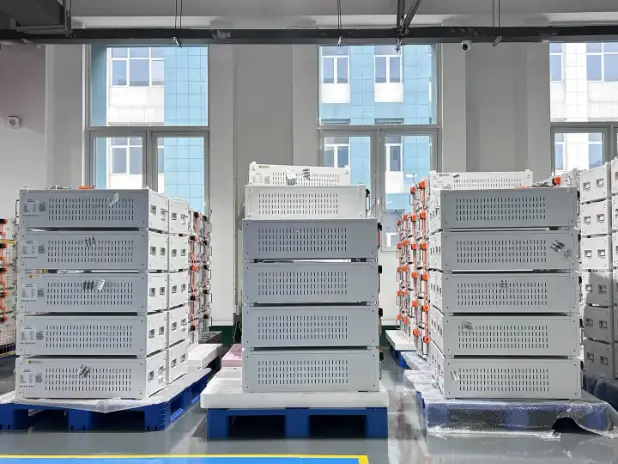
In this interplay of costs and demand, leading integrated manufacturers—which control the full value chain from phosphate rock and iron phosphate to lithium resources—will be able to leverage their resource advantages to ensure stable supply and profit retention. Conversely, smaller, standalone processing firms lacking such vertical integration will face mounting pressure to survive. In the long run, the factors determining whether a battery technology remains a mainstream market choice are always resource autonomy, safety performance, and the certainty of essential demand in downstream applications. Thanks to its unique industrial ecosystem, LFP’s status as the dominant technology for global electric vehicle and energy storage applications will not be easily overturned by short-term cost fluctuations.
Which European Markets Lead Grid-Scale BESS & EPC Growth?
From EV to Grid Infrastructure: How Automotive Giants Are Reshaping the Storage Market
Related Article
contact us
For more questions please


Office Address: 701, Building A, Yonghuayuan Business Building, Baotian 2nd Road, Chentian Community, Xixiang Street, Bao'an District, Shenzhen, Guangdong Province, China
Factory Address 1: Room 701, Building 2, Kegu Industrial Park, Zone B, Jian'an Road, No. 790, Chang'an Town, Dongguan City, Guangdong Province, China
Factory Address 2: Building 7, Phase II Standardized Factory, Innovation Industrial Park, Duji Economic Development Zone, Huaibei City, Anhui Province, China