


PCENERSYS BOLG
The Hidden Reasons Energy Storage Project Costs Vary — And What You Can Do to Improve Procurement Outcomes
The Real Question Behind Energy Storage Pricing
Energy storage project costs are far less predictable than most investors expect. This article explains the hidden drivers behind cost variation and how better procurement strategies can help control risk and improve returns.
As the global battery energy storage system market continues to expand, one issue is becoming increasingly apparent to developers, EPC contractors, and procurement teams: the cost of energy storage projects can vary dramatically—even for systems with similar specifications.
In many cases, two battery energy storage system (BESS) projects with comparable capacity and configuration can differ in price by 20% to 50%, or even more. This raises a critical question:
Why do energy storage project costs vary so much?
At first glance, the assumption is often that these differences are driven by technology. However, in reality, the primary driver behind cost variation is the energy storage supply chain.
Recent market developments highlight how global supply dependencies are reshaping pricing structures across the industry.
Global Energy Storage Supply Chain Remains Heavily Dependent on China Despite Rapid U.S. Market Growth
Understanding how the lithium battery supply chain influences pricing is essential for making informed procurement decisions—and avoiding costly mistakes.
Understanding the Energy Storage Cost Structure
To understand cost variation, we must first break down the energy storage value chain and identify where costs are concentrated.
Typical BESS Cost Breakdown
| Component | Cost Share |
|---|---|
| Battery Cells | 35–45% |
| PCS (Power Conversion System) | 10–15% |
| EMS (Energy Management System) | 5–10% |
| Integration & EPC | 30–40% |
Among these components, battery cells represent the largest cost contributor, often accounting for up to 40% of total system cost.
This means that even small fluctuations in cell pricing—or differences in sourcing—can significantly impact overall project costs.
More importantly, battery cells are also the segment most affected by global energy storage supply chain dependency.
Why the Lithium Battery Supply Chain Drives Price Differences
The lithium battery supply chain is highly concentrated, with China playing a dominant role in manufacturing and processing.
This concentration affects pricing in several ways:
1. Manufacturing Cost Advantage
Chinese manufacturers benefit from:
- Large-scale production capacity
- Lower labor and operational costs
- Highly optimized production processes
2. Integrated Supply Chain
China’s dominance extends beyond manufacturing to upstream materials and downstream integration, allowing for tighter cost control.
3. Market Competition
A highly competitive domestic market drives pricing efficiency, which is difficult to replicate elsewhere.
What This Means for Buyers
Two BESS systems may appear identical on paper, but if one uses battery cells sourced from China and the other relies on alternative supply chains, the price difference can be substantial.
This explains why understanding why is energy storage dependent on China is not just a strategic question—it directly impacts project economics.
Global Energy Storage Supply Chain Dependency Explained
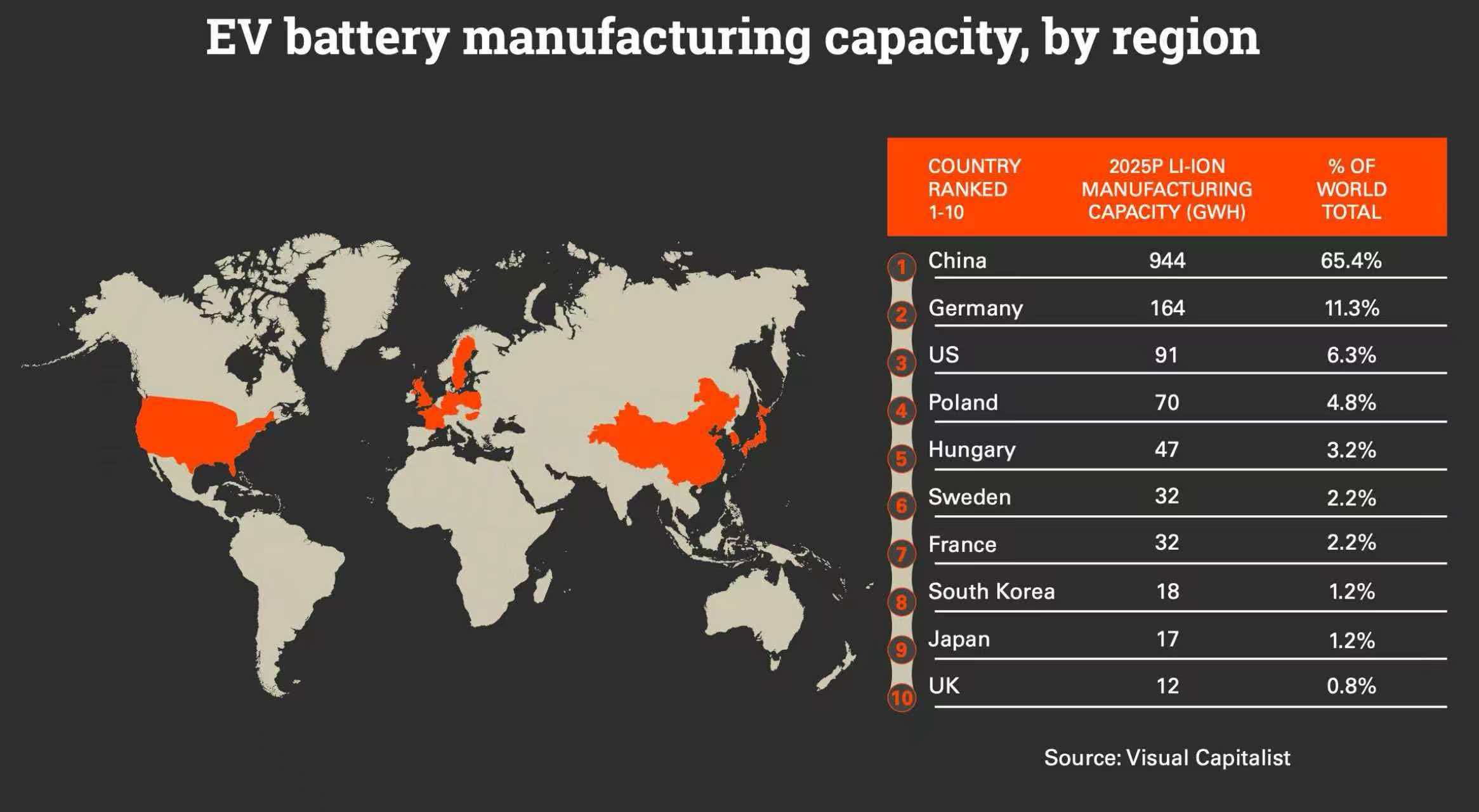
The global energy storage supply chain dependency is the result of long-term industrial development rather than short-term market dynamics.
China’s position is supported by:
- Dominance in lithium processing and refining
- Leadership in battery cell manufacturing
- Strong domestic demand supporting economies of scale
This creates a structural advantage that is difficult for other regions to replicate quickly.
For developers and EPC contractors, the key takeaway is that supply chain dependency is not binary—it exists on a spectrum. Managing that dependency effectively is far more important than attempting to eliminate it entirely.
Hidden Cost Factors Most Buyers Overlook
While headline pricing often focuses on system cost per kWh, several hidden factors can significantly influence the total cost of ownership.
1. Supply Chain Stability
Lower-cost suppliers may offer attractive pricing, but if their supply chain is unstable, delays can lead to higher overall costs.
2. Lead Time Risk
Extended delivery timelines can delay project commissioning, resulting in:
- Lost revenue
- Penalties
- Contractual complications
3. Certification and Compliance
Different markets require certifications such as UL or IEC standards. Non-compliant systems may require costly modifications.
4. Logistics and Tariffs
Shipping costs, import duties, and geopolitical factors can all affect final system pricing.
These factors are often underestimated, yet they are central to understanding battery supply chain risks in energy storage.
Case Study: Why Two Similar Projects Have a 30% Price Difference
To illustrate how supply chain factors influence pricing, consider the following simplified comparison:
Project A: Cost-Optimized Approach
- Battery cells sourced from China
- Established supply chain
- Lower upfront cost
Project B: Localized Supply Strategy
- Cells sourced from regional manufacturers
- Higher production cost
- Shorter supply chain
Cost Comparison
| Factor | Project A | Project B |
| Cell Cost | Low | High |
| Lead Time | Medium | Short |
| Supply Risk | Medium | Low |
| Total Cost | Lower | Higher |
Key Insight
The price difference is not due to technology—it is driven by supply chain strategy.
In some cases, a higher upfront cost may result in lower long-term risk, depending on project priorities.
Supply Chain Risks and Their Real Impact
For developers and procurement teams, supply chain risks are no longer theoretical—they have direct operational consequences.
Will supply chain issues lead to price increases?
Yes. Cost volatility is likely to persist due to material price fluctuations and policy changes.
Will projects face delays?
Yes. Supply bottlenecks and logistics disruptions can extend delivery timelines.
Will ROI be affected?
Absolutely. Delays and cost overruns can significantly impact financial performance.
These risks are central to understanding the evolving dynamics of the battery energy storage system market.
How to Reduce Supply Chain Risk in Energy Storage Projects
Given these challenges, developers must adopt proactive strategies to manage supply chain risk.
1. Diversify Suppliers
Avoid reliance on a single supplier or region.
2. Lock in Key Components Early
Secure battery cell supply in advance to reduce uncertainty.
3. Choose Proven Technologies
Focus on mature systems with established supply chains.
4. Evaluate Supplier Capability
Assess not only technical specifications but also manufacturing capacity and delivery reliability.
Many developers are now turning to trusted bess manufacturer partners to ensure stable supply and cost control.
At the same time, working with an experienced energy storage system manufacturer helps reduce both technical and supply chain risks.
Global BESS Market Outlook and Supply Chain Trends
Looking ahead, the global BESS market outlook remains strong, but supply chain dynamics will play an increasingly important role.
Short-Term (1–2 Years)
- Continued reliance on Chinese supply chains
- Ongoing price volatility
Medium-Term (3–5 Years)
- Gradual diversification of manufacturing capacity
- Increased regional production
Long-Term (5–10 Years)
- More balanced global supply chain
- Reduced concentration risk
However, these changes will take time. In the near term, supply chain strategy will remain a key competitive differentiator.
Conclusion: Cost Differences Are Supply Chain Decisions, Not Just Technology
The variation in energy storage project costs is not primarily driven by technology differences—it is a reflection of supply chain structure and strategy.
For developers, EPC contractors, and procurement teams, this means:
- Understanding the energy storage supply chain is essential
- Price should be evaluated alongside risk and reliability
- Supplier selection is a strategic decision, not just a cost decision
As the industry continues to grow, those who can effectively manage supply chain complexity will be best positioned to succeed.
FAQ
1. Why do energy storage project costs vary so much?
Because of differences in battery sourcing, supply chain stability, and procurement strategies—not just technology.
2. How much does the lithium battery supply chain affect pricing?
Battery cells account for up to 40% of system cost, making supply chain factors a major pricing driver.
3. Is dependence on China a risk for energy storage projects?
It can be, particularly in terms of supply disruption and policy impact, but it can also offer cost advantages.
4. How can I reduce supply chain risks in BESS projects?
By diversifying suppliers, securing early procurement, and working with reliable manufacturers.
5. What should I look for in an energy storage supplier?
Focus on experience, manufacturing capability, delivery reliability, and system integration expertise.
Solar Panel Maintenance Guide: How to Keep Your System Running at Peak Efficiency (Most Owners Miss This)
Quantum Battery vs Lithium: The Energy Storage Decision Engineers Can’t Afford to Get Wrong

contact us
For more questions please


Office Address: 701, Building A, Yonghuayuan Business Building, Baotian 2nd Road, Chentian Community, Xixiang Street, Bao'an District, Shenzhen, Guangdong Province, China
Factory Address 1: Room 701, Building 2, Kegu Industrial Park, Zone B, Jian'an Road, No. 790, Chang'an Town, Dongguan City, Guangdong Province, China
Factory Address 2: Building 7, Phase II Standardized Factory, Innovation Industrial Park, Duji Economic Development Zone, Huaibei City, Anhui Province, China