


PCENERSYS BOLG
Goodbye Lithium-Ion? How Close Are Sodium-Ion and Flow Batteries Really?
 Introduction: Seeking the Next-Generation Star of Grid-Scale Energy Storage
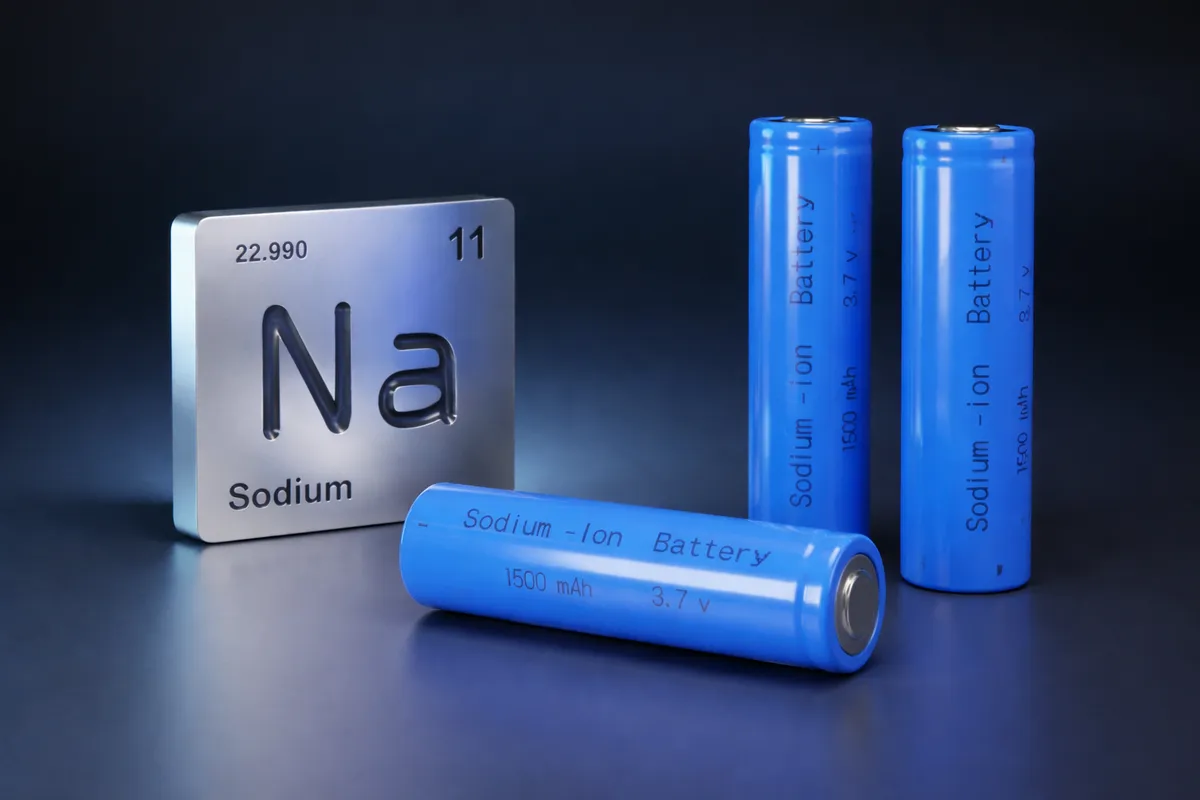
While lithium-ion batteries will not be completely replaced in the near term, the global energy transition has increasingly highlighted their shortcomings regarding supply chain security, the volatility of lithium carbonate prices, and the risk of thermal runaway. To address these challenges, long-duration energy storage (LDES) technologies—capable of providing power for four hours or more—are rapidly emerging. Among them, novel solutions such as sodium-ion batteries and redox flow batteries are becoming pivotal forces in reshaping the grid ecosystem.
In particular, aqueous vanadium redox flow batteries have become the preferred choice for large-scale, grid-side long-duration storage due to their inherent safety and exceptionally long cycle life. The figure below provides a visual comparison of key parameters between traditional lithium batteries and these two types of next-generation energy storage technologies:
|
Performance Metric |
Lithium Iron Phosphate (LFP) |
Sodium-Ion Battery (SIB) |
Vanadium Redox Flow Battery (VRFB) |
|
Energy Density |
High (160–200 Wh/kg) |
Moderate (100–160 Wh/kg) |
Low (15–25 Wh/L) |
|
Cycle Life |
3,000–8,000 cycles |
2,000–6,000 cycles |
15,000–25,000+ cycles |
|
Safety Level |
Moderate (Thermal runaway risk) |
High (Enhanced thermal stability) |
Extremely High (Aqueous, non-flammable) |
|
LCOE Trajectory |
Fluctuates with Lithium prices |
Rapidly declining (Raw material advantage) |
Lowest long-term (Zero degradation, reusable electrolyte) |
|
Ideal Applications |
EVs, short-duration residential/C&I storage |
LSEVs, cold-climate ESS, short-duration grid support |
Utility-scale, 4–12h+ long-duration energy storage |
Sodium-Ion Batteries: A Low-Cost Contender Entering Mass Production
With the explosive growth of global energy storage capacity, sodium—which accounts for 2.36% of the Earth's crust—demonstrates immense cost-saving potential. Unlike lithium resources, which are concentrated in a few regions, sodium salts are widely distributed; this gives sodium-ion batteries a natural advantage by insulating them from geopolitical risks and supply chain price volatility.
Commercialization Status and Supply Chain Maturity
Regarding the Bill of Materials (BOM), sodium-ion batteries utilize inexpensive aluminum foil instead of copper foil for the anode current collector, and their cathode materials do not require costly cobalt or nickel. As manufacturing scales up, the levelized cost of energy (LCOE) for containerized, utility-scale battery energy storage systems using this technology is projected to be 20%–30% lower than that of lithium iron phosphate (LFP) batteries.
Beyond cost advantages, sodium-ion batteries offer exceptional performance across a wide temperature range. Test data indicates that they retain over 70% of their discharge capacity in extreme cold—down to -40°C—and support fast charging at rates up to 3C, making them an ideal choice for energy storage projects in high-latitude and frigid regions.
|
Technical Feature |
Lithium Iron Phosphate (LFP) |
Sodium-Ion Battery (SIB) |
|
Crustal Abundance |
~0.006% (Lithium) |
~2.36% (Sodium) |
|
Cathode Cost Impact |
High (Dependent on Lithium carbonate) |
Low (Abundant Sodium salts) |
|
Current Collector (Anode) |
Copper foil (Expensive) |
Aluminum foil (Low cost) |
|
Capacity at -40°C |
<30% |
>70% |
Overcoming Bottlenecks: Energy Density vs. Cycle Stability
Despite rapid commercialization, sodium-ion batteries remain constrained by material-related bottlenecks. Because the sodium ion radius is approximately 35% larger than that of the lithium ion, the insertion and extraction processes within cathode materials are more prone to causing lattice expansion and structural degradation, thereby compromising cycle life. The two dominant technical pathways currently in use each have distinct advantages and disadvantages:
Layered Oxides: Offer high specific capacity and favorable energy density (reaching 130–150 Wh/kg), but suffer from poor air stability and limited cycle life (approximately 2,000–3,000 cycles).
Polyanion Compounds: Feature stable structures and long cycle life (reaching 4,000–6,000 cycles) alongside excellent safety, yet their low electronic conductivity results in lower energy density (approximately 100–120 Wh/kg).
Furthermore, the lower volumetric energy density of sodium batteries means that a larger footprint is required to store the same amount of energy—a significant disadvantage in space-constrained applications.
Cutting-Edge Developments: The Potential of Solid-State Sodium Batteries
To surpass energy density limits and completely eliminate the flammability risks associated with liquid electrolytes, the industry is actively pursuing solid-state sodium battery technology.
The introduction of inorganic ceramic or polymer solid-state electrolytes not only effectively suppresses sodium dendrite growth—preventing internal short circuits—but also enables the direct use of metallic sodium anodes. This breakthrough promises to boost the energy density of sodium batteries beyond 200 Wh/kg, paving the way for their application in large-scale utility-grade battery energy storage systems and in power batteries for vehicles requiring medium-to-long ranges.
Redox Flow Batteries: The Anchor Technology for Grid-Scale Long-Duration Energy Storage
As the share of renewable energy generation rises, the power system's requirements for energy storage duration are evolving from the traditional 2-hour standard to 4–12 hours, or even multi-day durations. Against this backdrop, aqueous redox flow batteries—leveraging a unique physical architecture—offer advantages unattainable by conventional solid-electrode batteries, establishing themselves as a cornerstone technology for grid-scale long-duration energy storage.
How Vanadium Redox Flow Batteries Unlock Multi-Hour Grid Flexibility
As the most technologically mature and widely commercialized solution, the vanadium redox flow battery (VRFB) offers a core advantage: the engineering decoupling of "power" and "capacity":
Power (kW/MW): Determined by the size and number of the central electrochemical stacks;
Capacity (kWh/MWh): Determined by the volume and concentration of the vanadium electrolyte stored in external tanks.
This decoupled architecture allows the grid to extend storage duration (e.g., from 4 hours to 10 hours) without the need for additional, costly, and redundant stack hardware; instead, one simply needs to build larger electrolyte storage tanks and add more electrolyte. This characteristic of diminishing marginal costs makes the technology highly economically attractive for applications such as long-duration peak shaving and the integration of curtailed wind and solar power.
|
Structural Component |
Primary Function |
Scalability Principle |
|
Cell Stack |
Determines power output (kW / MW) |
Scaled by adding stack cells in series/parallel |
|
Electrolyte Tanks |
Determines energy capacity (kWh / MWh) |
Scaled simply by increasing tank volume / liquid |
|
Pumps & Piping (BOP) |
Circulates active species across membrane |
Configured to match required flow rate & power |
The Cost-Footprint Dilemma: A CAPEX vs. OPEX Analysis
From a short-term commercialization perspective, all-vanadium redox flow batteries (VRFBs) face challenges regarding high initial capital expenditure (CAPEX) and a large physical footprint. However, when analyzed through the lens of the Levelized Cost of Electricity (LCOE) over the full lifecycle, the economic rationale shifts fundamentally:
CAPEX Challenges: VRFBs entail high initial construction costs—driven by key materials such as vanadium compounds, proton exchange membranes, and bipolar plates—and possess low energy density (only 15–25 Wh/L), resulting in a footprint typically 3–5 times larger than that of lithium-ion energy storage stations.
OPEX Advantages: Thanks to the characteristic that electroactive materials are fully dissolved in an aqueous solution, these batteries achieve cycle lives of 15,000 to over 25,000 cycles (with an operational lifespan of 20–30 years) and experience no irreversible capacity degradation. Crucially, the vanadium electrolyte offers a residual value recovery rate approaching 100% (allowing for direct reuse in new projects), resulting in extremely low actual OPEX over long-term operations.
Safety and Thermal Runaway Prevention (Intrinsic Safety and Zero Thermal Runaway Risk)
For grid-scale energy storage projects—ranging from hundreds of megawatts to the gigawatt (GW) level—system safety is a non-negotiable priority. Unlike lithium-ion batteries, which utilize flammable organic electrolytes, VRFBs employ an aqueous sulfuric acid electrolyte. The system contains no flammable or explosive gases or media, thereby physically eliminating the risk of thermal runaway and explosions.
This inherent safety feature offers immense commercial value: it not only significantly reduces costs associated with safety protection, explosion prevention, and cooling maintenance but also facilitates compliance with rigorous safety regulations, enabling deployment in densely populated areas, industrial parks, or near critical grid hubs.
In-depth Comparison of Application Scenarios, Product Forms, and Core Advantages
In the new energy industry, there is no single "flawless" battery technology; there are only system engineering choices that best suit specific scenarios. Due to their unique physical and electrochemical properties, sodium-ion batteries and flow batteries exhibit distinct trajectories regarding product forms and practical applications.
Sodium-Ion Batteries: Suitable Products and Scenarios
Leveraging high energy density, excellent power characteristics, and robust environmental adaptability, sodium-ion batteries are rapidly penetrating markets for small-to-medium capacity, short-to-medium duration energy storage and light-duty motive power:
Suitable Product Forms: Battery packs for high-safety two-wheelers and low-speed electric vehicles; backup power for telecommunications base stations; all-in-one residential energy storage systems (Residential ESS); and power sources for small industrial/commercial equipment and light-duty starter applications.
Core Application Scenarios: Energy storage projects in high-latitude, extremely cold regions; high-rate charge/discharge frequency regulation (1–2 hour storage); and cost-sensitive distributed nodes integrating solar, storage, and charging.
Core Advantages:
Superior Low-Temperature Performance: Safe discharge across a wide temperature range (-40°C to 60°C), unaffected by technical failures caused by extreme cold.
High Transport Safety and Discharge Resilience: Supports deep discharge to 0V without risk of damage, significantly reducing safety hazards and warehousing costs during transport.
Unrestricted Raw Material Supply: Eliminates reliance on scarce metals like lithium, cobalt, and nickel, offering exceptional supply chain resilience.
Flow Batteries: Suitable Products and Scenarios
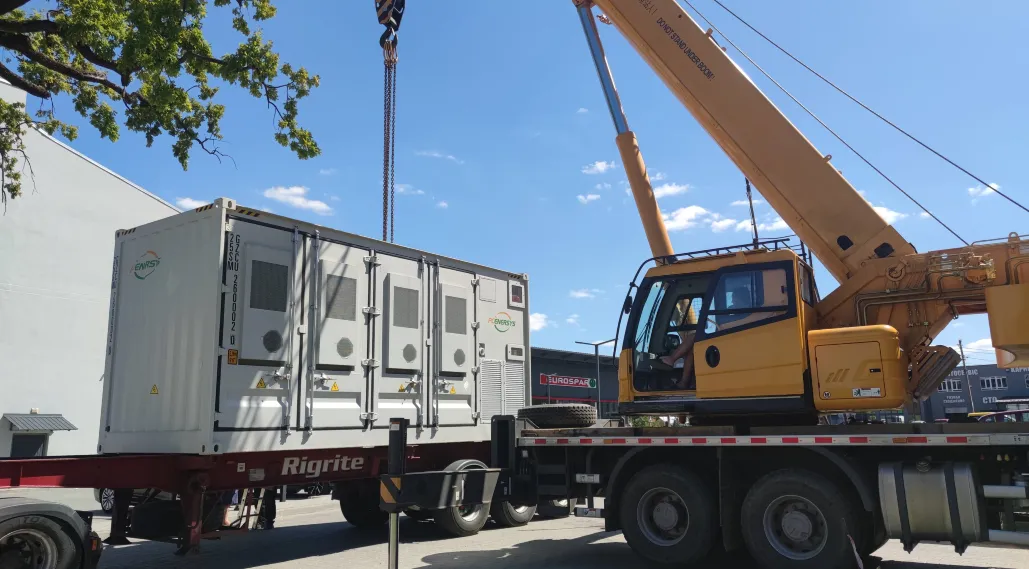
In contrast to sodium-ion batteries, flow batteries excel in scenarios requiring ultra-large scale, long-duration storage, and high safety. Their technical architecture is inherently designed for stationary, grid-level hubs with capacities exceeding 100 megawatts:
Suitable Product Forms: Modular containerized all-vanadium flow battery energy storage systems; large-capacity ground-based electrolyte tank farms; and grid-side energy storage power stations at the 100-megawatt or gigawatt scale. Key Application Scenarios: Energy storage paired with large-scale wind and solar bases (4–12+ hour long-duration storage), regional grid peak shaving and valley filling, and long-duration microgrids or off-grid clean energy power plants for industrial parks.
Summary of Key Advantages:
Independent and Unlimited Capacity Expansion: Storage duration can be extended cost-effectively simply by increasing the volume of electrolyte and storage tanks, resulting in extremely low marginal costs.
Ultra-long Service Life: Operates for 20–30 years without irreversible degradation of active materials, perfectly aligning with the asset operational lifecycle of renewable energy power plants.
Excellent Residual Value and Environmental Profile: Vanadium electrolyte can be 100% recovered and reused after project decommissioning, ensuring outstanding environmental credentials throughout the entire lifecycle.
Product Selection Matrix
To assist grid engineers, BESS system integrators, and investors in making rapid decisions, the following matrix provides a clear reference for matching technical pathways based on key dimensions:
|
Selection Criterion |
Sodium-Ion Battery (SIB) |
Vanadium Redox Flow Battery (VRFB) |
|
Optimal Storage Duration |
Short-to-medium (30 min to 2 hours) |
Long duration (4 hours to 12+ hours) |
|
Footprint / Space Constraint |
Compact (Suitable for indoor/modular setups) |
Large (Requires land for electrolyte tanks) |
|
Operating Temperature Range |
Sub-zero to high temp (-40°C to +60°C) |
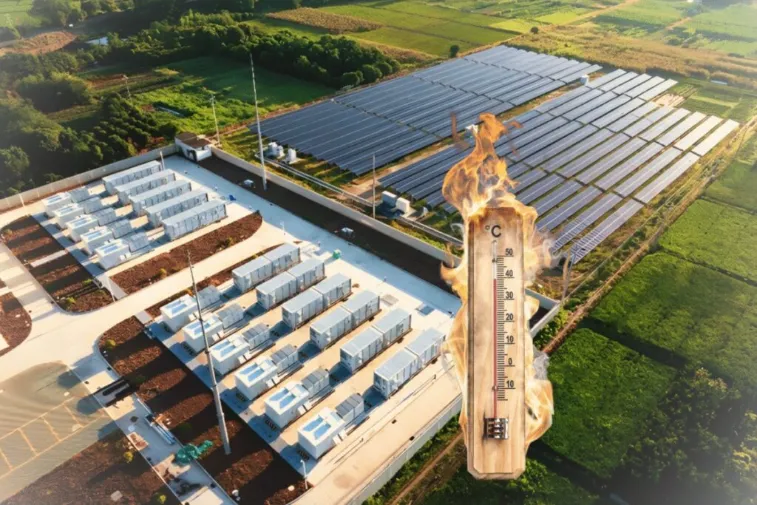
Moderate (+10°C to +40°C, requires thermal management) |
|
Target Project Scale |
Small-to-medium (kW to multi-MW) |
Large-to-utility scale (Multi-MW to GW) |
|
Primary Deployment Form |
Battery packs, racks, integrated cabinets |
Containerized stacks, external liquid storage farms |
|
Residual Asset Value |
Low (Material recycling required) |
Extremely High (Nearly 100% electrolyte value retention) |
B2B and Hardware-Level Integration: BMS and Electrolyte Engineering
Transforming novel chemical systems into reliable, industrial-grade assets hinges on the maturity of system integration and hardware engineering. Whether for sodium-ion or flow batteries, constructing a high-efficiency utility-scale battery energy storage system requires precise hardware design and innovative business models.
Next-Generation BMS Engineering
Changes in battery chemistry impose new requirements on management system control algorithms:
Algorithmic Challenges for Sodium-Ion Batteries: Sodium-ion batteries exhibit an extremely flat voltage plateau during discharge, rendering traditional voltage-based State of Charge (SOC) estimation methods highly prone to inaccuracy. Consequently, specialized sodium-ion BMS solutions must integrate high-precision ampere-hour integration, Extended Kalman Filter (EKF) algorithms, and Open-Circuit Voltage (OCV) calibration models to ensure precise battery state monitoring and thermal management.
Multi-Physics Control for Flow Batteries: Control parameters for flow batteries extend beyond electrochemistry into the realm of fluid dynamics. Dedicated control systems must monitor stack voltage and current while regulating circulation pump flow rates and pressures; they must also track the valence balance and SOC of the vanadium electrolyte solution, while proactively preventing capacity imbalances caused by electrolyte crossover across the membrane.
Core Stack and Electrolyte Management
From the perspective of B2B procurement and Engineering, Procurement, and Construction (EPC) delivery, hardware selection and asset management models directly impact the project's Return on Investment (ROI):
Stack Selection and Durability: As the core energy conversion unit of a flow battery, the performance of the cell stack depends on the quality of the proton exchange membrane, bipolar plates, and carbon felt electrodes. Corrosion-resistant, highly selective membrane materials can extend stack lifespan, pushing maintenance intervals beyond 10 years.
Electrolyte Leasing Models: Given that vanadium possesses high residual value and does not degrade during cycling, innovative financial instruments—such as electrolyte leasing—have become well-established in the market. Owners need only purchase fixed assets such as the stack, while the electrolyte is operated under an annual leasing arrangement. This approach can reduce the project's initial capital expenditure (CAPEX) by 30%–50%, significantly accelerating the commercial adoption of flow batteries.
Commercialization Timeline & Market Outlook
The advanced energy storage industry is entering a critical window for rapid industrialization. Driven by technological evolution and the benefits of economies of scale, alternative battery technologies are accelerating the reshaping of the global energy storage market landscape.
2026–2030 Energy Storage Technology Roadmap
Based on the latest industry trends and technology roadmap planning, the commercialization milestones for the next five years will follow a clear evolutionary path:
2026–2027 (Scale-up and Initial Cost Parity): Sodium-ion batteries will achieve full replacement of lead-acid batteries in light-duty mobility and short-duration storage applications, while matching lithium iron phosphate (LFP) batteries in terms of Levelized Cost of Storage (LCOS). Meanwhile, all-vanadium flow batteries will see significant reductions in initial plant construction costs, driven by electrolyte leasing models and the mass delivery of 100-megawatt-scale projects.
2028–2030 (Era of Long-Duration Energy Storage Dominance): As the industry ecosystem matures, flow batteries will secure a central position in the long-duration energy storage (LDES) market (4+ hours). Solid-state sodium batteries will move into commercial demonstration phases, joining advanced flow battery systems to build a next-generation grid infrastructure characterized by high safety and low costs.
Market Coexistence, Not Total Replacement
According to the latest market analysis on lithium-alternative technologies, the future energy storage and mobility sectors will not be dominated by a single technology; instead, they will feature a coexistence model defined by "application-specific differentiation" and a "tripartite" market structure based on performance characteristics:
Lithium-ion batteries: Leveraging superior energy density, they will continue to dominate the electric vehicle (EV) sector and energy storage applications with strict spatial constraints.
Sodium-ion batteries: Capitalizing on excellent low-temperature performance and cost advantages, they will rapidly penetrate markets for low-speed EVs, residential energy storage, telecom base stations, and short-duration frequency regulation.
Flow batteries: With attributes such as zero degradation, inherent safety, and limitless scalability, they will serve as the cornerstone for large-scale wind and solar energy bases on the grid side, as well as for long-duration energy storage (4–12+ hours).
The global power grid's transition to clean energy does not rely on the dominance of a single battery technology. The latest energy storage technology roadmap clearly indicates that the future market is evolving toward a diversified landscape defined by precise application matching: lithium-ion batteries continue to solidify their position in high-energy-density applications; sodium-ion batteries are rapidly capturing the market for small-to-medium capacities and extreme cold environments; and all-vanadium flow batteries are emerging as a cornerstone for long-duration energy storage on the grid side.
For BESS system integrators, energy developers, and investors, strategically positioning themselves early regarding next-generation battery technologies is a key tactic for reducing long-term operational costs and mitigating supply chain risks.
If you are currently evaluating technology pathways for a specific energy storage project—comparing sodium-ion, flow, and lithium-ion technologies—we invite you to contact our team of technical experts. We can provide customized, cost-effective BESS configurations and engineering solutions tailored to your needs.
Frequently Asked Questions
Q1: Are sodium ion batteries cheaper than lithium?
A1: Yes, sodium-ion batteries have lower material costs due to abundant sodium supply and cheap aluminum collectors. While initial production costs remain comparable during early scaling, full industrialization will make sodium-ion batteries 20% to 30% cheaper than lithium iron phosphate (LFP).
Q2: Will sodium-ion batteries replace lithium-ion?
A2: Sodium-ion batteries will complement lithium-ion rather than completely replace it. Their lower energy density limits their use in long-range EVs. However, sodium-ion excels in cold climates, low-speed vehicles, stationary grid storage, and backup power where raw material cost is critical.
Q3: Why are flow batteries not widely used?
A3: Flow batteries face high initial capital expenditure (CAPEX) due to costly vanadium electrolyte and complex stack membranes. Their low energy density requires a large physical footprint, making them unsuitable for electric vehicles and short-duration, space-constrained energy storage applications.
Q4: How long do vanadium flow batteries last?
A4: Vanadium redox flow batteries boast exceptional lifespan, lasting 20 to 30 years with over 15,000 to 25,000 charge cycles. Unlike lithium batteries, their liquid electrolyte experiences zero irreversible capacity degradation, allowing near-infinite chemical reuse throughout system lifetime.
Q5: What are the disadvantages of flow batteries?
A5: The main disadvantages are low volumetric energy density, high upfront investment, and system complexity. They require pumps, piping, and large electrolyte storage tanks, which significantly increases the site footprint and restricts their use strictly to stationary utility-scale applications.
How to Choose the Right Commercial Hybrid Inverter: Unleashing PCEnerSys HmiWay 60kW & 125kW
Your BESS Is Lying to You: 5 BESS Procurement Traps to Avoid
contact us
For more questions please


Office Address: 701, Building A, Yonghuayuan Business Building, Baotian 2nd Road, Chentian Community, Xixiang Street, Bao'an District, Shenzhen, Guangdong Province, China
Factory Address 1: Room 701, Building 2, Kegu Industrial Park, Zone B, Jian'an Road, No. 790, Chang'an Town, Dongguan City, Guangdong Province, China
Factory Address 2: Building 7, Phase II Standardized Factory, Innovation Industrial Park, Duji Economic Development Zone, Huaibei City, Anhui Province, China