


PCENERSYS BOLG
AI Boom Drives Long Duration Energy Storage (LDES) Demand: Why Data Centers Need 8-Hour+ Energy Storage Systems
AI Is Driving a New Energy Revolution: Long Duration Energy Storage (LDES) Becomes Critical Infrastructure
The rapid expansion of artificial intelligence is fundamentally reshaping global energy demand. As hyperscale computing, machine learning training, and cloud-based AI services accelerate, the AI data center power demand is rising at an unprecedented pace.
In this context, long duration energy storage (LDES) is emerging as a critical solution—not just for balancing energy supply, but for ensuring the stability of next-generation digital infrastructure.
Traditionally, energy storage systems were deployed for peak shaving and short-term backup. However, with AI workloads operating continuously and unpredictably, energy storage is evolving into a core infrastructure layer supporting data centers, renewable energy integration, and grid resilience.
Related reading:Google Invests in Long Duration Energy Storage to Address Surging AI Data Center Power Demand
Why AI Data Center Power Demand Is Reshaping the Energy Storage Industry


The surge in AI data center power demand is one of the most significant drivers behind the rapid adoption of energy storage technologies. Training large AI models requires enormous computational resources, often consuming megawatts of electricity continuously.
According to the International Energy Agency, global electricity demand from data centers is expected to grow sharply over the next decade, driven largely by AI workloads. Similarly, the U.S. Department of Energy highlights that AI infrastructure is placing unprecedented stress on grid stability.
This shift is forcing operators to rethink energy strategies. Instead of relying solely on grid supply, companies are increasingly investing in energy storage for AI infrastructure to ensure uninterrupted operations, reduce peak demand charges, and stabilize power fluctuations.
What Is Long Duration Energy Storage and Why It Matters Now
What is long duration energy storage?
Long duration energy storage (LDES) refers to systems capable of storing and delivering electricity for extended periods—typically 4 hours or more, with industry trends moving toward 8-hour energy storage systems and beyond.
Unlike conventional lithium-ion systems designed for short-duration discharge, LDES solutions are engineered to support:
- Extended backup power
- Renewable energy integration
- Grid-level balancing
The growing importance of LDES is directly tied to the evolving energy profile of AI-driven industries. As workloads become continuous and less predictable, short-duration storage is no longer sufficient.
Why AI Data Centers Need Energy Storage Beyond Lithium Batteries
The question is no longer whether data centers need energy storage, but why lithium batteries are not enough for future AI infrastructure.
Lithium-ion batteries have dominated the market due to their high energy density and fast response times. However, they face inherent limitations when applied to long-duration use cases.
Key limitations include:
- Limited discharge duration (typically 2–4 hours)
- Cost inefficiency for extended storage
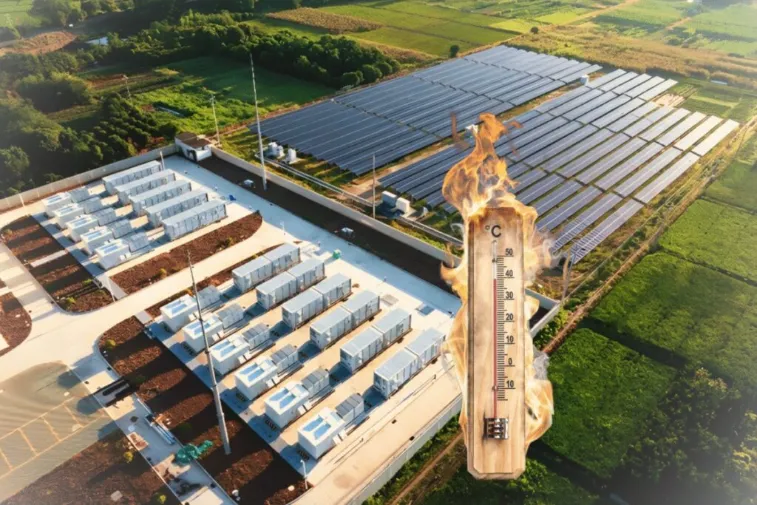
- Thermal management challenges at scale
For AI-driven data centers, where uptime is critical and power demand is continuous, these limitations create a gap that only LDES can fill.
Comparison: Lithium vs Long Duration Energy Storage
| Feature | Lithium-ion Batteries | Long Duration Energy Storage |
|---|---|---|
| Typical Duration | 2–4 hours | 8+ hours |
| Best Use Case | Short-term backup | Continuous power support |
| Cost Efficiency | High for short cycles | Better for long cycles |
| Scalability | Moderate | High (grid-scale) |
| Suitability for AI Data Centers | Limited | Ideal |
From Lithium to LDES: Emerging Technologies Like Iron-Air Batteries

As the limitations of lithium-ion become more apparent, new technologies are gaining traction in the LDES space.
Companies like Form Energy are pioneering iron-air battery systems, which can deliver electricity for over 100 hours at significantly lower costs. Notably, Google has already begun investing in such technologies to support its expanding data center network.
Other emerging solutions include:
- Flow batteries
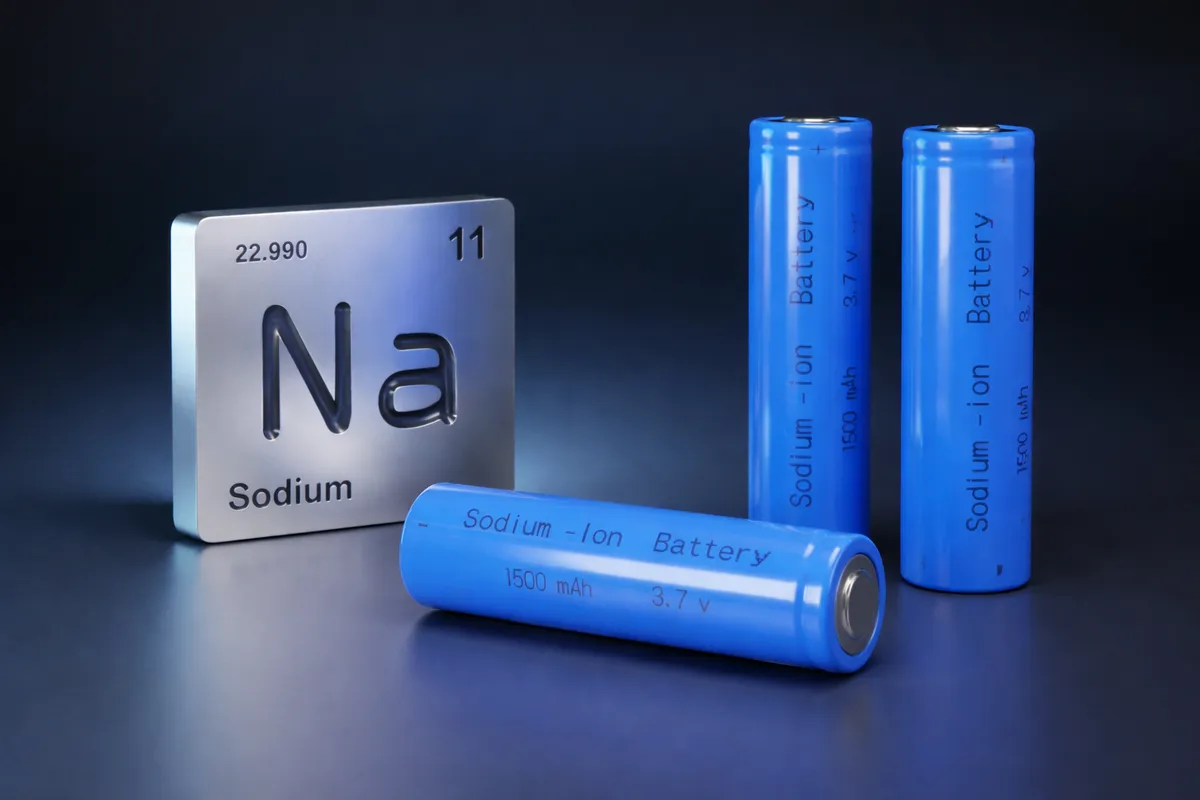
- Sodium-ion batteries
- Thermal energy storage
These innovations represent the future of energy storage infrastructure, particularly for large-scale industrial and digital applications.
8-Hour Energy Storage Systems: The New Standard for Commercial and Industrial Applications
The transition from short-duration to 8-hour energy storage systems is becoming a defining trend across commercial and industrial sectors.
For data centers and large-scale facilities, longer-duration storage enables:
- Reduced reliance on grid peak supply
- Improved integration with renewable energy
- Enhanced operational stability
In this evolving landscape, businesses are increasingly deploying commercial energy storage systems tailored to high-demand environments.
Energy Storage for Data Centers Is Becoming a Core Infrastructure Layer

Energy storage is no longer an auxiliary component—it is becoming a foundational layer of digital infrastructure.
Modern data centers are increasingly designed with integrated energy storage for data centers, enabling them to:
- Operate independently during grid instability
- Optimize energy costs
- Support sustainability goals
This shift marks a fundamental transformation: energy storage is now as critical as servers and networking equipment.
How Battery Energy Storage Systems (BESS) Are Evolving for AI Infrastructure
The evolution of battery energy storage systems (BESS) is closely aligned with the needs of AI infrastructure.
Modern systems are integrating advanced technologies such as:
- Intelligent BMS (Battery Management System)
- EMS (Energy Management System) optimization
- High-voltage architecture for improved efficiency
These advancements enable higher reliability, scalability, and performance—key requirements for mission-critical environments like AI data centers.
Table: Key Features of Advanced BESS for AI Infrastructure
| Feature | Traditional BESS | AI-Ready BESS |
|---|---|---|
| Voltage Level | Low to Medium | High Voltage |
| Duration | 2–4 hours | 8+ hours |
| Intelligence | Basic BMS | Smart EMS + AI optimization |
| Scalability | Limited | Modular & scalable |
| Reliability | Standard | Mission-critical grade |
The Future of Energy Storage Infrastructure in the AI Era
Looking ahead, the integration of AI and energy systems will continue to accelerate. According to BloombergNEF, global investment in energy storage is expected to surge, with LDES playing a central role.
Key trends shaping the future include:
- Decentralized energy systems
- Renewable + storage integration
- AI-driven energy optimization
In this context, energy storage for AI infrastructure will become a cornerstone of global energy systems.
Conclusion: Long Duration Energy Storage Is No Longer Optional
The rapid growth of AI is redefining not only computing, but also energy infrastructure. As AI data center power demand continues to rise, the limitations of traditional energy systems are becoming increasingly evident.
Long duration energy storage (LDES) is no longer a niche technology—it is a necessity.
From enabling 8-hour energy storage systems to supporting large-scale commercial energy storage systems, LDES is poised to become the backbone of the AI-powered world.
If you have more questions you want to know, please refer to:pcenersys solution page
For businesses and infrastructure providers, the message is clear: investing in advanced C&I energy storage solutions and scalable battery energy storage systems is essential to remain competitive in the AI era.
Long-Duration Energy Storage vs Traditional Storage: Which One Will Win the Future of Energy?
What Is Battery Equalization? When and How to Use It Safely in Energy Storage Systems

contact us
For more questions please


Office Address: 701, Building A, Yonghuayuan Business Building, Baotian 2nd Road, Chentian Community, Xixiang Street, Bao'an District, Shenzhen, Guangdong Province, China
Factory Address 1: Room 701, Building 2, Kegu Industrial Park, Zone B, Jian'an Road, No. 790, Chang'an Town, Dongguan City, Guangdong Province, China
Factory Address 2: Building 7, Phase II Standardized Factory, Innovation Industrial Park, Duji Economic Development Zone, Huaibei City, Anhui Province, China