


PCENERSYS BOLG
Sodium vs Lithium Battery: Cost, Energy Density & BESS Performance
As global demand for energy storage continues to grow, the future of battery industry is no longer limited to lithium-ion technology. While lithium batteries remain dominant in electric vehicles, sodium ion battery technology is rapidly emerging as a viable alternative—particularly in energy storage applications.
In recent years, rising material costs, supply chain risks, and the expansion of renewable energy have pushed industry players to explore lithium vs sodium battery solutions. This shift is especially visible in grid-scale storage, commercial energy systems, and off-grid applications.
This article provides a clear and practical comparison of sodium ion battery vs lithium ion battery, explains their real-world use cases, and helps you determine which technology is better suited for specific energy storage needs.
What Is a Sodium Ion Battery?
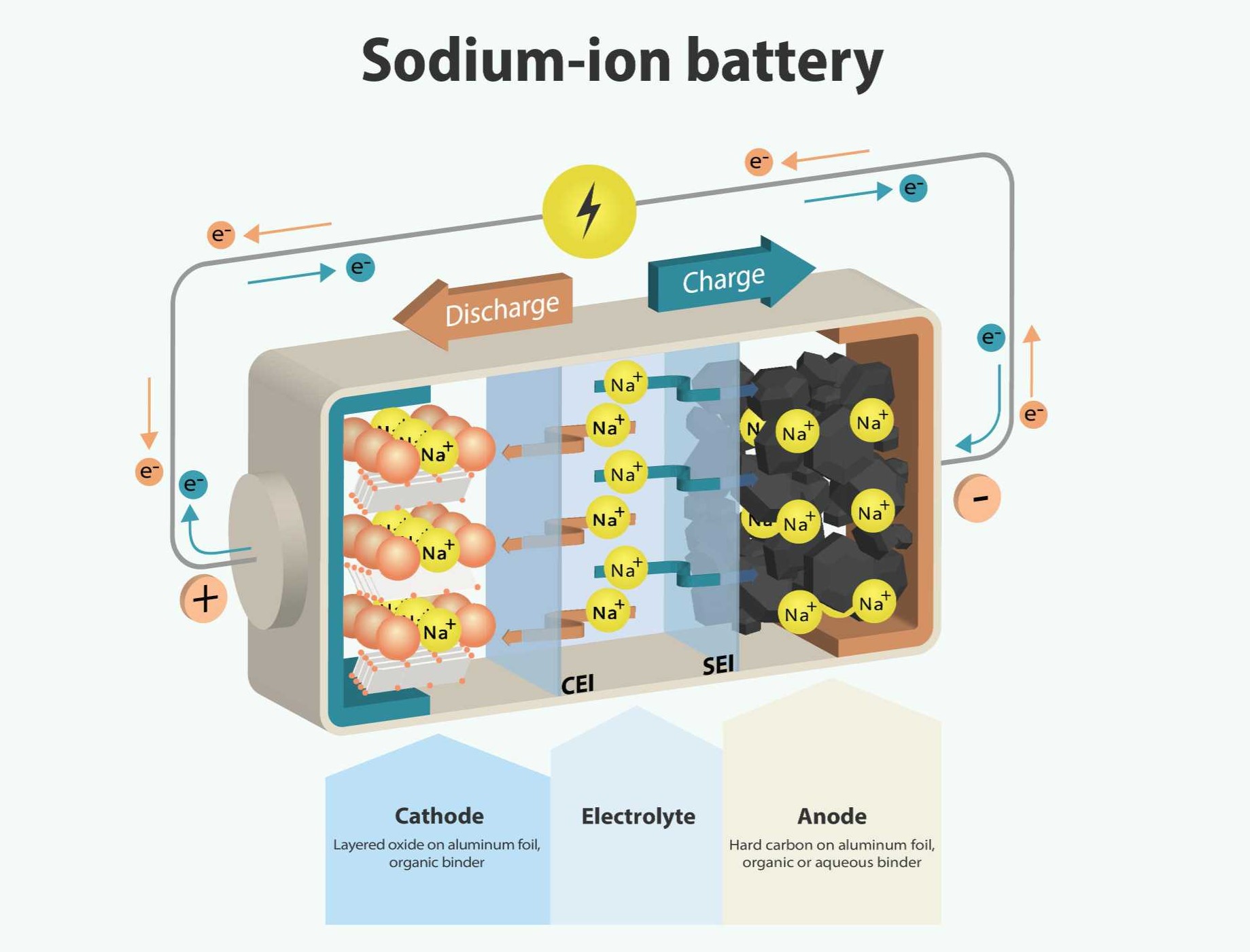
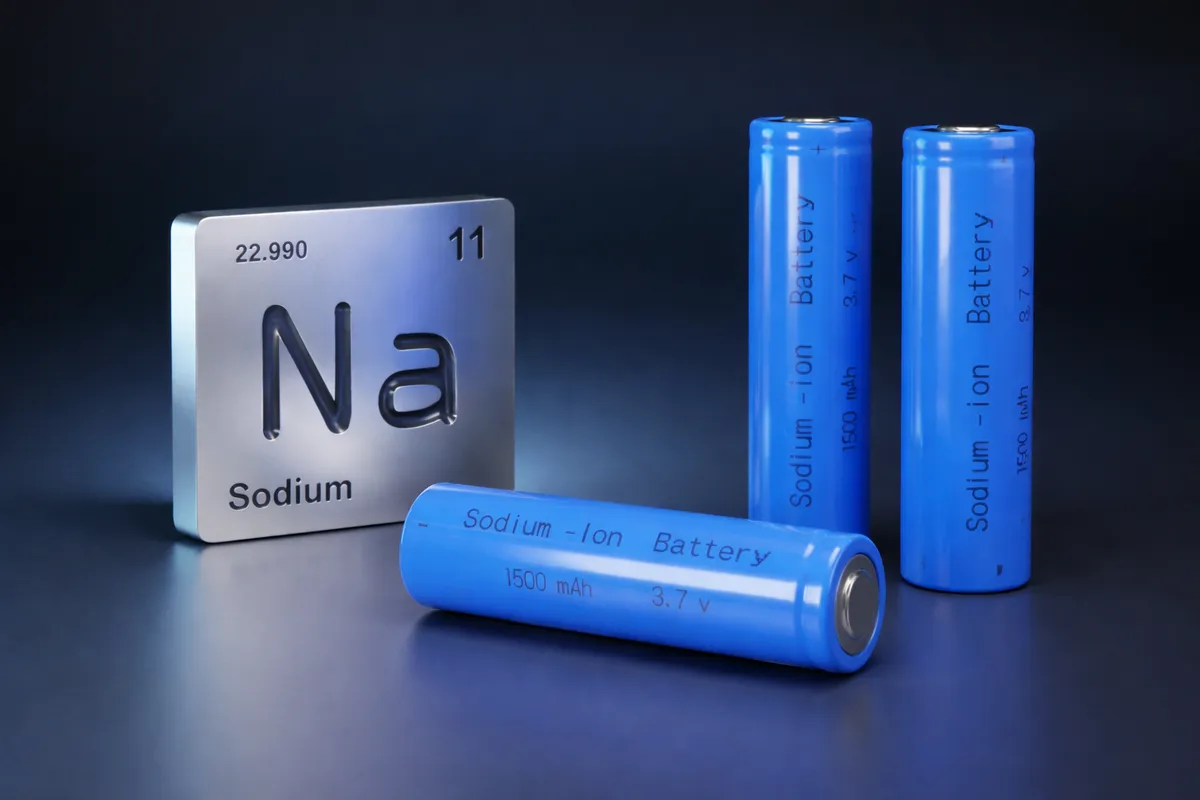
A sodium ion battery is a rechargeable battery that uses sodium ions (Na⁺) to store and transfer energy. Its working principle is similar to lithium-ion batteries, but it relies on more abundant and lower-cost materials.
During charging, sodium ions move from the cathode to the anode, and during discharge, they return to the cathode to generate electricity. This reversible electrochemical process enables repeated energy storage and release.
One of the key advantages of sodium ion battery technology lies in material availability. Sodium is widely distributed in nature and does not depend on scarce resources like lithium, cobalt, or nickel. As a result, sodium-ion batteries offer a more stable supply chain and lower long-term cost potential.
From a commercialization perspective, sodium-ion batteries are transitioning from laboratory development to early-stage deployment. According to the International Energy Agency, sodium-ion technology is entering pilot-scale applications, particularly in China’s energy storage sector.
Why Sodium Ion Battery Technology Is Gaining Attention
The growing interest in sodium ion battery technology is driven by several practical advantages, especially in stationary energy storage scenarios.
Cost Advantage in Large-Scale Systems
One of the most important benefits of sodium-ion batteries is cost. Because sodium is abundant and inexpensive, these batteries can significantly reduce raw material expenses. Unlike lithium-ion batteries, they avoid reliance on costly metals such as cobalt and nickel.
This makes sodium-ion particularly attractive for sodium ion battery energy storage systems, where total project cost is a key decision factor.
Better Performance in Low Temperatures
Sodium-ion batteries perform more reliably in cold environments compared to many lithium-ion chemistries. This makes them suitable for deployment in regions with harsh winters or unstable climates, where battery performance consistency is critical.
Improved Safety and Stability
Safety is a major concern in large-scale energy storage. Sodium-ion batteries typically offer better thermal stability, reducing the risk of overheating or thermal runaway. This characteristic is especially important for grid-scale installations and industrial applications.
Understanding Sodium Ion Battery Capacity
A common question is how sodium ion battery capacity compares to lithium-ion systems. While sodium-ion batteries generally have lower energy density, they provide sufficient capacity for stationary storage applications.
In practical terms, energy density matters less in energy storage than in electric vehicles. Instead, factors such as cost, lifespan, and safety play a more important role.
Understanding the Core Battery Chemistry: Sodium-Ion vs. Lithium-Ion
To fully grasp why the industry is shifting attention toward alternative energy solutions, we must look into the fundamental battery chemistry of both technologies. Sodium (Na) and Lithium (Li) share similar chemical properties as alkali metals in the same periodic group. However, their physical and electrochemical behaviors diverge significantly when integrated into cells.
Sodium ion vs lithium ion energy density: The Technical Gap
The most critical differentiator rooted in their chemistry is energy density. Due to the larger atomic radius and higher standard electrode potential of sodium ions compared to lithium ions, the sodium ion vs lithium ion energy density gap remains the primary battleground. Currently, commercial lithium cells (especially NCM) easily achieve 200–260 Wh/kg, whereas first-generation sodium-ion cells typically hover around 150–160 Wh/kg.
While lithium still holds the upper hand in weight-sensitive applications, this energy density difference becomes less prohibitive in stationary applications where physical footprint is secondary to economic viability.
Sodium Ion Battery vs Lithium Ion Battery
Understanding the difference between sodium ion battery vs lithium ion battery is essential for making informed decisions.
Key Differences in Performance and Cost
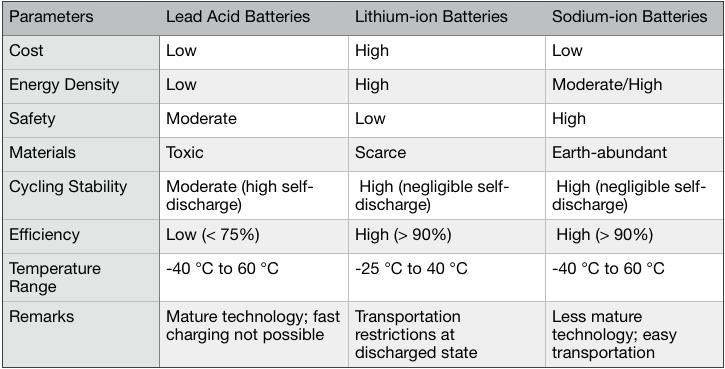
| Feature | Sodium-ion Battery | Lithium-ion Battery |
| Cost | Lower | Higher |
| Energy Density | Lower | Higher |
| Cycle Life | Moderate to High | High |
| Low-temperature Performance | Better | Moderate |
| Raw Material Availability | Abundant | Limited |
Lithium-ion batteries still dominate applications that require high energy density, such as electric vehicles and portable electronics. However, sodium-ion batteries are becoming increasingly competitive in applications where cost and safety are more important than compact size.
Raw Material Volatility: How Lithium Carbonate Prices Drive Alternative Solutions
The commercial momentum of alternative battery tech is inextricably linked to the global supply chain. Historically, the manufacturing cost of conventional Li-ion cells has been at the mercy of volatile lithium carbonate pricing. When lithium carbonate costs skyrocketed in recent years, it exposed severe supply chain vulnerabilities for global buyers.
Real-World ROI: Analyzing the Sodium ion battery cost per kwh
This is exactly where sodium steps in as a stabilizing force. Because sodium salts are abundant and uniformly distributed globally, the theoretical sodium ion battery cost per kwh can be up to 30% lower than that of lithium-iron phosphate (LFP) when mass production reaches scale.
Currently, as production lines mature, evaluating the project-level sodium ion battery cost per kwh involves looking beyond initial cell costs to factors like integration, zero-maintenance longevity, and the absolute elimination of expensive thermal management systems required by lithium.
Which Battery Should You Choose?
When comparing lithium vs sodium battery, the choice depends on your application:
- Lithium-ion is better suited for high-performance and space-constrained systems
- Sodium-ion is more suitable for cost-sensitive, large-scale energy storage
Rather than replacing lithium-ion, sodium-ion is best understood as a complementary technology.
Sodium Ion Battery vs Lead Acid Battery
For many real-world users, especially in developing markets, the more relevant comparison is sodium ion battery vs lead acid battery.
Lead-acid batteries have been widely used for decades, but they come with several limitations, including short lifespan, low efficiency, and high maintenance requirements.
In comparison, sodium-ion batteries offer:
- Longer cycle life
- Higher energy efficiency
- Lower maintenance needs
- Greater depth of discharge
These advantages make sodium-ion a strong alternative for upgrading existing systems in backup power, telecom infrastructure, and off-grid energy solutions.
Why Energy Storage May Prefer Sodium-ion Batteries
The rapid growth of energy storage is one of the main reasons behind the rise of sodium-ion batteries.
Grid-Scale Energy Storage Applications
In large-scale grid systems, batteries are used for load balancing, peak shaving, and frequency regulation. In these scenarios, cost efficiency and safety are more important than energy density, making sodium-ion a practical choice.
Renewable Energy Integration
As solar and wind power become more widespread, energy storage is essential to manage intermittency. Sodium-ion batteries can store excess electricity and release it when needed, supporting a more stable and reliable energy system.
Off-Grid and Remote Energy Systems
In remote areas where infrastructure is limited, energy storage systems must be reliable, durable, and cost-effective. Sodium-ion batteries meet these requirements and are well suited for off-grid applications.
Industry Example: PCENERSYS
Recently, PCENERSYS (PC ENERSYS) introduced a sodium-ion energy storage solution designed for both grid and off-grid scenarios.
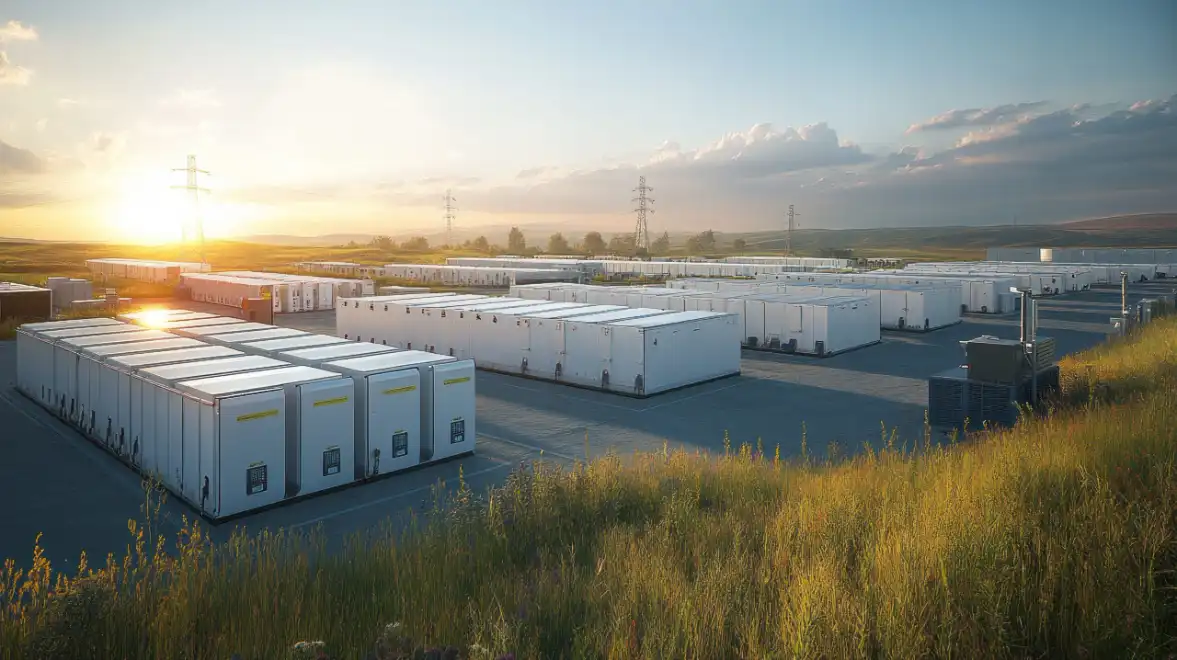
100kWh Sodium-Ion Energy Storage System for Commercial and Industrial Applications
This reflects a broader industry trend toward adopting diversified battery technologies to meet different energy needs.
Current Challenges of Sodium Ion Batteries
While sodium-ion batteries offer clear advantages, it is important to consider their current limitations to maintain an objective and EEAT-compliant perspective.
Lower Energy Density
Compared to lithium-ion batteries, sodium-ion systems require more space to store the same amount of energy. This limits their use in applications where compact size is critical.
Early-Stage Commercialization
Although progress is rapid, sodium-ion batteries are still in the early stages of large-scale deployment. Manufacturing capacity and supply chains are still developing.
Ongoing Technology Improvements
Further advancements are needed in materials, performance, and scalability before sodium-ion can reach full maturity.
Future Outlook: Will Sodium-ion Replace Lithium?
The future of the battery industry is not about one technology replacing another, but about diversification.
Lithium-ion batteries will continue to dominate high-energy applications, while sodium-ion batteries are expected to grow in energy storage markets. According to BloombergNEF, demand for stationary energy storage is set to expand rapidly, creating opportunities for multiple battery chemistries.
In this context, sodium-ion batteries are positioned as a cost-effective and scalable solution for the next phase of energy transition.
PCENERSYS and the Future of Energy Storage
As the market evolves, PCENERSYS is actively developing advanced energy storage solutions to meet emerging demands.
The company focuses on:
- Integrating new battery technologies, including sodium-ion systems
- Providing scalable solutions for commercial and industrial applications
- Supporting reliable and efficient energy infrastructure
With increasing global demand for energy storage, sodium-ion technology is expected to play an important role in future deployments.
Sodium-Ion Integration in Commercial Battery Energy Storage System (BESS)
How do these characteristics translate to large-scale deployment? The answer lies in the rapidly evolving landscape of the battery energy storage system (BESS) market. For commercial and industrial (C&I) clients, safety, temperature tolerance, and long-term asset security often outweigh sheer volumetric efficiency.
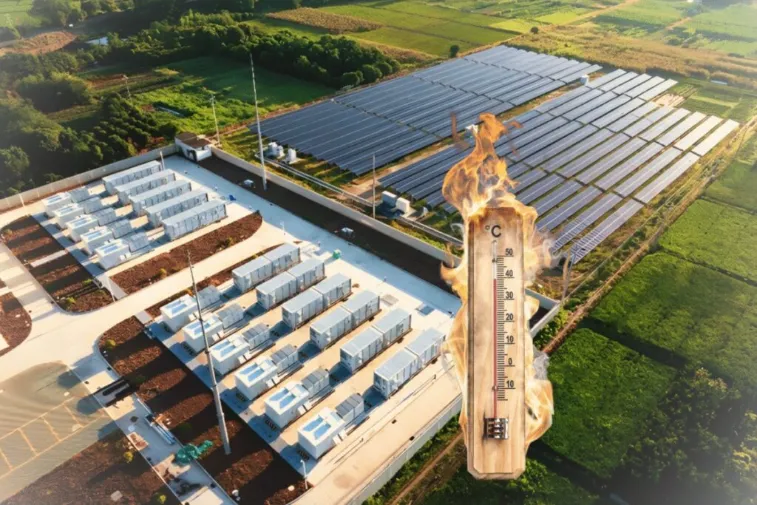
Deploying sodium-ion packs within a stationary battery energy storage system (BESS) offers unprecedented advantages in extreme climates. Since sodium cells maintain over 80% capacity at temperatures as low as -40°C and demonstrate superior resistance to thermal runaway, they are becoming the go-to chemistry for grid-scale and industrial microgrids in harsh environments.
As a dedicated source manufacturer, [pcenersys] provides highly customized commercial BESS integration using optimized cell chemistries to match your regional project requirements.
Conclusion
Sodium-ion batteries are transitioning from emerging technology to real-world application, particularly in energy storage systems.
While lithium-ion remains essential for high-performance use cases, sodium-ion offers clear advantages in cost, safety, and resource availability. For users evaluating sodium ion battery energy storage solutions, the key is to select the technology that best matches the application.
As energy systems continue to evolve, sodium-ion batteries are set to become an important part of a diversified and resilient energy ecosystem.
Battery Capacity Explained: Formula, Units (Ah) & Energy Storage Applications
The Future of Battery Industry: Why Energy Storage Is Overtaking EV Demand | PCENERSYS
contact us
For more questions please


Office Address: 701, Building A, Yonghuayuan Business Building, Baotian 2nd Road, Chentian Community, Xixiang Street, Bao'an District, Shenzhen, Guangdong Province, China
Factory Address 1: Room 701, Building 2, Kegu Industrial Park, Zone B, Jian'an Road, No. 790, Chang'an Town, Dongguan City, Guangdong Province, China
Factory Address 2: Building 7, Phase II Standardized Factory, Innovation Industrial Park, Duji Economic Development Zone, Huaibei City, Anhui Province, China