


PCENERSYS BOLG
BESS Lifespan: How Long Do Battery Energy Storage Systems Last? (2026 Guide)
Introduction
Every energy storage project—whether for a home solar setup or a commercial facility—starts with one critical question: How long will the battery energy storage system last?
Understanding the life expectancy of a Battery Energy Storage System (BESS) is essential for evaluating long-term performance, cost of ownership, and return on investment.
While the answer depends on multiple technical factors, the short version is this: a high-quality LiFePO₄ (Lithium Iron Phosphate) energy storage system can last 10 to 20 years, depending on its design, chemistry, management system, and usage conditions.
Let’s take a closer look at what influences a BESS’s lifespan—and how advanced systems like those from PCEnerSys ensure maximum durability and efficiency.

Key Factors Affecting Battery Energy(bess lifespan) Storage System Life Expectancy
1. The Role of Battery Cell Chemistry
The chemistry inside a BESS battery cell determines not only its energy density but also its stability, temperature tolerance, and lifespan.
Currently, the three dominant battery chemistries for energy storage applications are:
| Battery Type | Energy Density | Cycle Life (Typical) | Temperature Performance | Safety & Stability | Cost Efficiency |
|---|---|---|---|---|---|
| Lithium Nickel Manganese Cobalt (NMC) | High | 1,000–2,000 cycles | Moderate | Moderate | High cost |
| Lithium Iron Phosphate (LiFePO₄) | Medium | 3,000–6,000+ cycles | Excellent | Very safe | Cost-effective |
| Lead-acid | Low | 500–1,000 cycles | Poor | Safe | Low cost but short life |
Each chemistry has trade-offs:
-
Lead-acid batteries are affordable but heavy, with short cycle life and low energy density.
-
NMC lithium batteries offer high energy output but are sensitive to heat and over-charging.
-
LiFePO₄ batteries, by contrast, strike the perfect balance between long life expectancy, safety, and cost, making them the preferred choice for today’s energy storage systems.
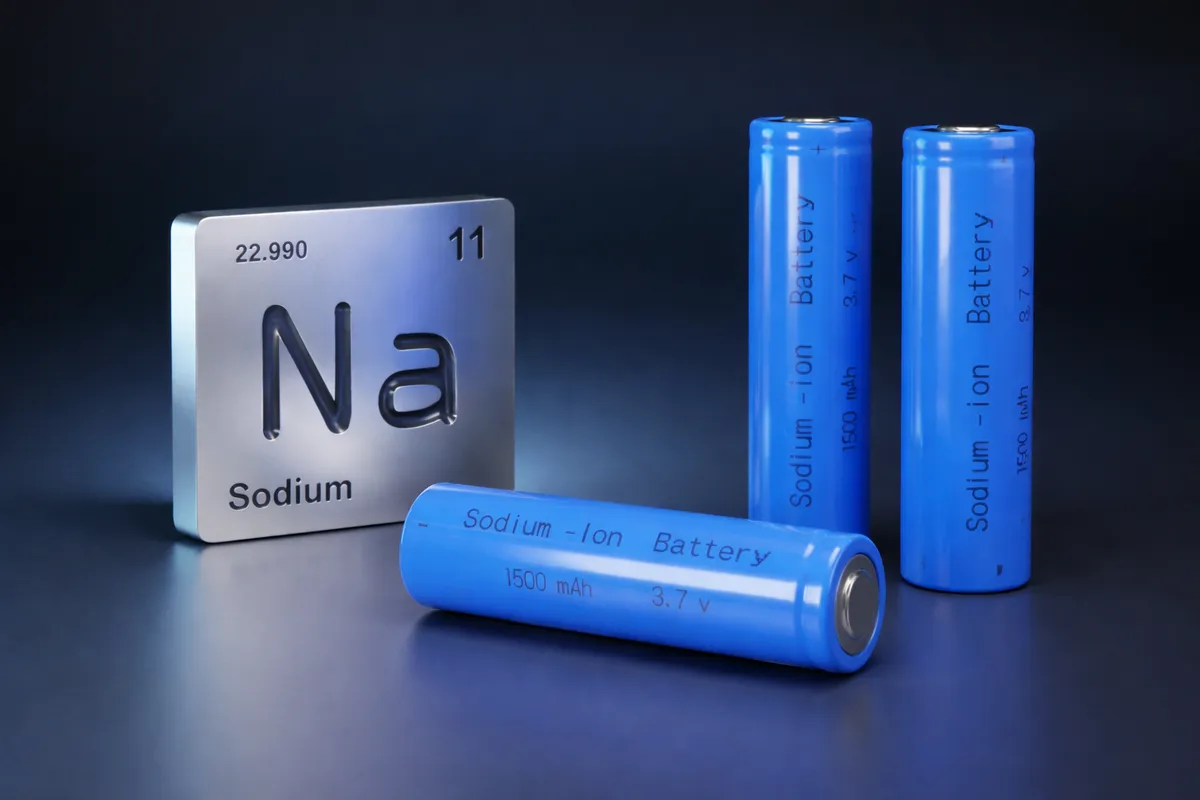
Emerging chemistries such as sodium-ion batteries show promise due to their fast charging, excellent low-temperature performance, and sustainability. However, LiFePO₄ batteries remain the industry standard thanks to their proven performance and maturity.
At PCEnerSys, our BESS solutions use high-stability LiFePO₄ battery cells engineered for outdoor solar, home energy storage, and industrial ESS applications. These cells deliver outstanding thermal stability, minimal degradation, and seamless system compatibility—ensuring long-term reliability in diverse environments.
2. Depth of Discharge (DoD) and Charge Rate
The depth of discharge (DoD)—how much of a battery’s capacity is used during each cycle—plays a major role in determining its lifespan.
The deeper you discharge the battery each time, the fewer cycles it can endure before reaching its end of life.
Here’s a general rule of thumb:
-
At 80% DoD, a LiFePO₄ battery can typically reach 6,000 cycles.
-
At 100% DoD, cycle life may drop by 20–30%.
-
At 50% DoD, the battery can exceed 10,000 cycles.
Charge and discharge rate (C-rate) also matters.
-
Residential ESS systems usually operate at 0.2C–0.5C, focusing on steady and efficient energy delivery.
-
Commercial or EV charging ESS systems may demand 0.5C–1C, supporting higher load dynamics.
PCEnerSys designs both home and industrial ESS with tailored charge-discharge parameters to ensure the best compromise between performance and LiFePO₄ battery life.
3. Cycle Count and Usage Frequency
Each full charge-discharge cycle slightly reduces the active material within a cell. Over time, this gradual wear translates to capacity loss.
-
LiFePO₄ battery life typically ranges between 3,000 and 6,000 full cycles under standard use.
-
Frequent high-load discharges or operation in extreme temperatures can shorten this lifespan.
For example, PCEnerSys 12V LiFePO₄ batteries—used widely in golf carts, RVs, and off-grid systems—achieve over 6,000 cycles while maintaining over 80% capacity retention.
This makes the LiFePO₄ battery 12V an excellent long-term power solution compared to traditional lead-acid systems that rarely exceed 800 cycles.
4. Temperature and the BMS’s Critical Role
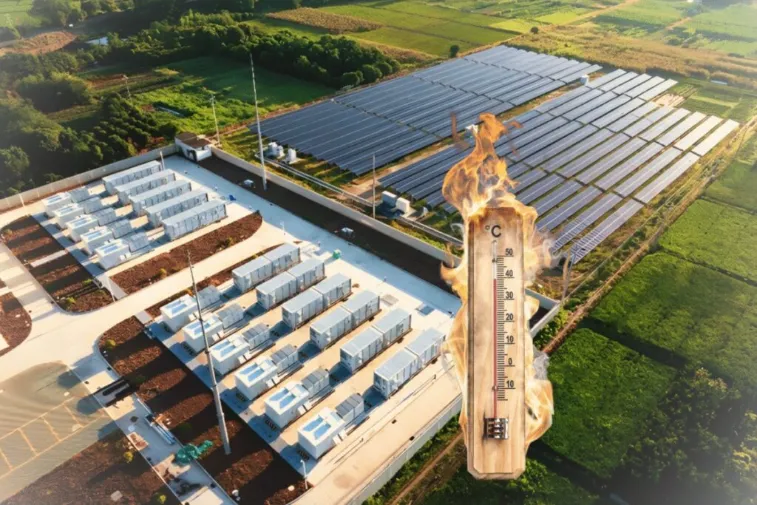
Temperature is another major determinant of energy storage lifespan.
Operating a BESS outside of its ideal temperature range can drastically impact both performance and degradation rate:
-
High temperatures accelerate electrolyte decomposition and increase internal resistance.
-
Low temperatures reduce chemical activity and limit discharge capacity.
The optimal working temperature for most LiFePO₄ batteries is between 15°C and 35°C.
This is where the Battery Management System (BMS) becomes the “invisible guardian” of battery health. A well-designed BMS continuously monitors voltage, current, and temperature, balancing the cells and preventing over-charge, over-discharge, or overheating.
Advanced thermal management systems, like those integrated in PCEnerSys ESS solutions, can extend LiFePO₄ battery life by 30% or more, ensuring consistent output and safety even in challenging climates.

Why PCEnerSys LiFePO₄ Systems Stand Out
A BESS is only as reliable as its weakest component. PCEnerSys focuses on every layer of system integration—from cell design and BMS software to intelligent module control and system assembly.
Our LiFePO₄ battery 12 volt systems feature:
-
Industrial-grade cells with long cycle life and low degradation.
-
Intelligent BMS that monitors every cell in real time.
-
Enhanced thermal balance for stable performance across wide temperature ranges.
-
Modular architecture for easy maintenance and scalability.
By combining these elements, PCEnerSys ensures that each LiFePO₄ 12V battery achieves its full design life while delivering efficient, stable power for homes, businesses, and mobile applications alike.
How Long Can a Battery Energy Storage System(Bess Lifespan) Last?
When properly designed and maintained, the expected life of a Battery Energy Storage System (BESS) can reach:
-
Residential ESS: 10–15 years (typically using LiFePO₄ chemistry).
-
Commercial & Industrial ESS: 15–20 years, thanks to more robust components and optimized management systems.
It’s worth noting that even after this period, many systems can continue operating at reduced capacity. A 10-year-old LiFePO₄ battery 12V may still retain 80–85% of its original capacity, making it suitable for secondary energy applications.
Practical Tips to Extend LiFePO₄ Battery Life
To maximize your battery’s life expectancy, consider the following best practices:
-
Avoid Deep Discharges: Keep your depth of discharge under 80% for regular use.
-
Control Temperature: Maintain batteries between 15°C and 35°C whenever possible.
-
Regular Maintenance: Conduct a professional system check every 6–12 months to verify voltage consistency, thermal management, and wiring safety.
-
Use Quality Components: A reliable BMS and power conversion system (PCS) can significantly extend the usable life of your BESS.
PCEnerSys offers smart monitoring and maintenance solutions that help customers optimize system performance and maximize battery lifespan over years of continuous operation.
Conclusion
FAQ: Battery Energy Storage System Lifespan(Bess Lifespan)
Do residential and commercial ESS systems have different life expectancies?
Is it more cost-effective to replace a battery module or the entire system?
How often should I inspect or maintain a BESS?
What’s the annual degradation rate of a LiFePO₄ battery system?
What happens when a BESS reaches end of life?
-
Replacing aged cells or modules.
-
Repurposing the system for backup or secondary storage.
-
Partnering with PCEnerSys for professional battery recycling and upgrade programs that reduce lifecycle costs and promote sustainability
Battery Ah Explained: Why 100Ah Doesn’t Always Mean More Energy
LiFePO₄ Battery Inverter Compatibility: Can You Use LiFePO4 with an Inverter?
contact us
For more questions please


Office Address: 701, Building A, Yonghuayuan Business Building, Baotian 2nd Road, Chentian Community, Xixiang Street, Bao'an District, Shenzhen, Guangdong Province, China
Factory Address 1: Room 701, Building 2, Kegu Industrial Park, Zone B, Jian'an Road, No. 790, Chang'an Town, Dongguan City, Guangdong Province, China
Factory Address 2: Building 7, Phase II Standardized Factory, Innovation Industrial Park, Duji Economic Development Zone, Huaibei City, Anhui Province, China